
Yellow-bellied Flycatcher vs Least Flycatcher
Empidonax flaviventris versus Empidonax minimus
Play a quiz with Yellow-bellied Flycatcher and Least Flycatcher
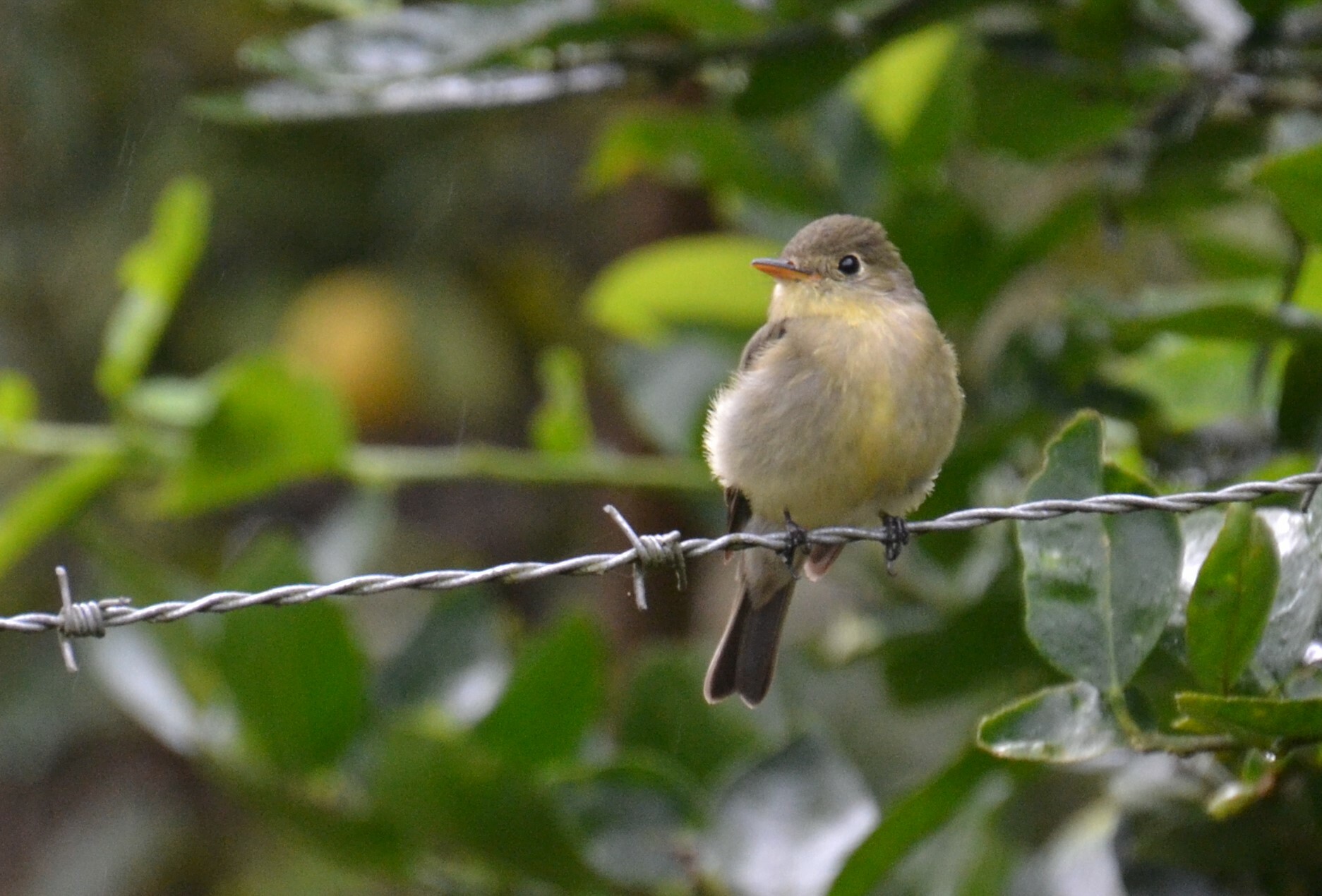 Yellow-bellied Flycatcher
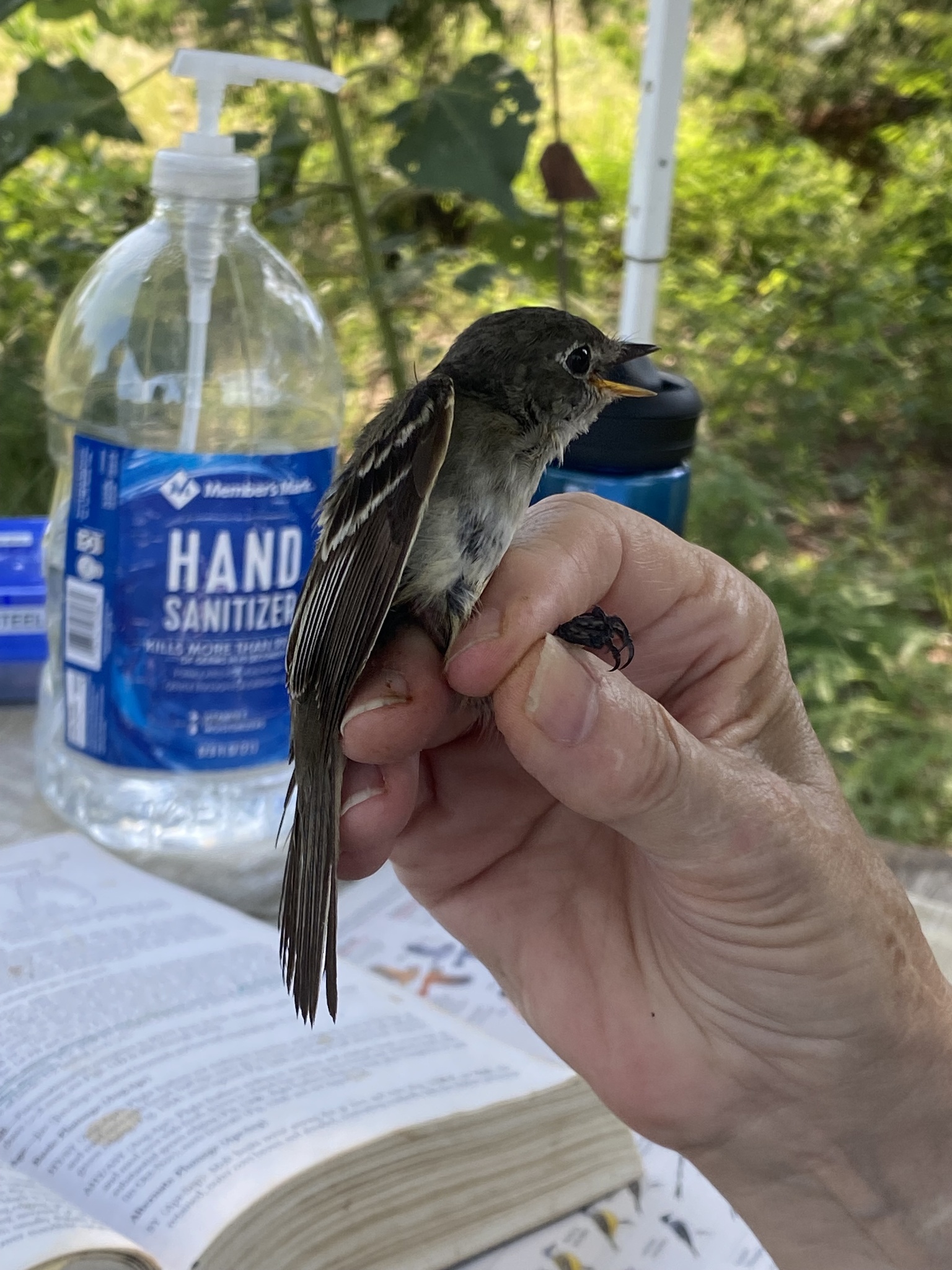 Least Flycatcher
In short
The Yellow-bellied Flycatcher and Least Flycatcher are both small Empidonax species, but they can be distinguished by habitat preference and vocalization. The Yellow-bellied Flycatcher is often found in cool, moist coniferous forests, while the Least Flycatcher prefers deciduous or mixed forests and is more social.
Identification tips
1. Habitat: Look for Yellow-bellied Flycatchers in coniferous forests and Least Flycatchers in deciduous forests. 2. Plumage: Note the yellow wash on the Yellow-bellied Flycatcher's belly. 3. Behavior: Observe social behavior; Least Flycatchers are more likely to be in clusters. 4. Vocalization: Listen for the Least Flycatcher's persistent song.
Size
Both species are similar in size, typical of small Empidonax flycatchers.
Plumage
The Yellow-bellied Flycatcher has a more pronounced yellow wash on its underparts, while the Least Flycatcher is generally paler with less yellow. Both have similar olive-green upperparts.
Behaviour
The Yellow-bellied Flycatcher is more solitary and elusive, while the Least Flycatcher is known for forming dense clusters of territories and exhibiting more social behavior.
Habitat
Yellow-bellied Flycatchers prefer cool, moist conifer or mixed forests, bogs, and swamps. In contrast, Least Flycatchers are found in deciduous or mixed forests and are often seen in clusters.
Voice
The Least Flycatcher is readily identified by its characteristic song, which is more persistent and distinctive compared to the softer, less distinctive calls of the Yellow-bellied Flycatcher.
Yellow-bellied Flycatcher · Least Flycatcher · My Tricky Birds