Birdr

Yellow-fronted Canary vs African Citril

Crithagra mozambica versus Crithagra citrinelloides

Play a quiz with Yellow-fronted Canary and African Citril
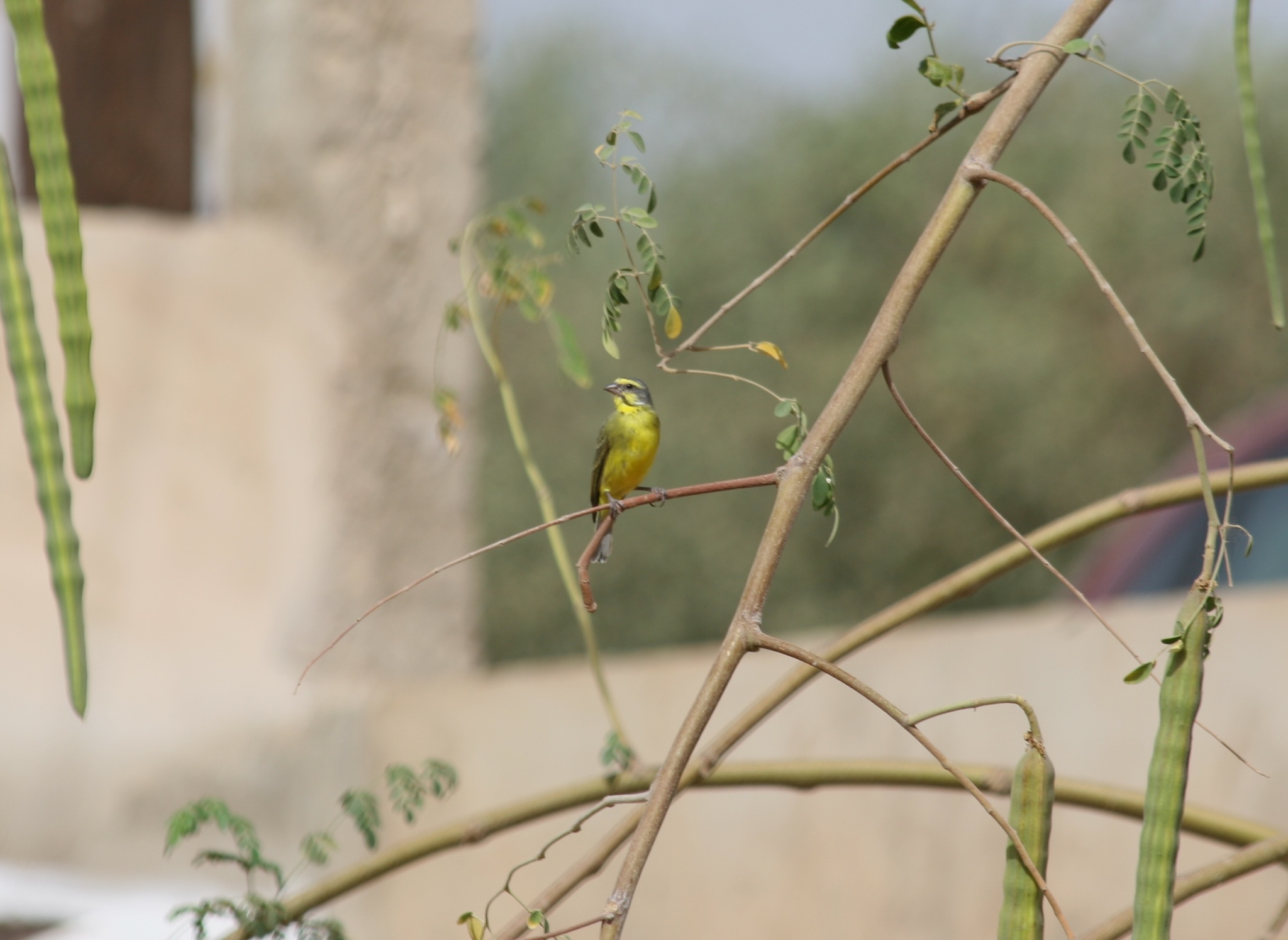
Yellow-fronted Canary (Crithagra mozambica) Yellow-fronted Canary
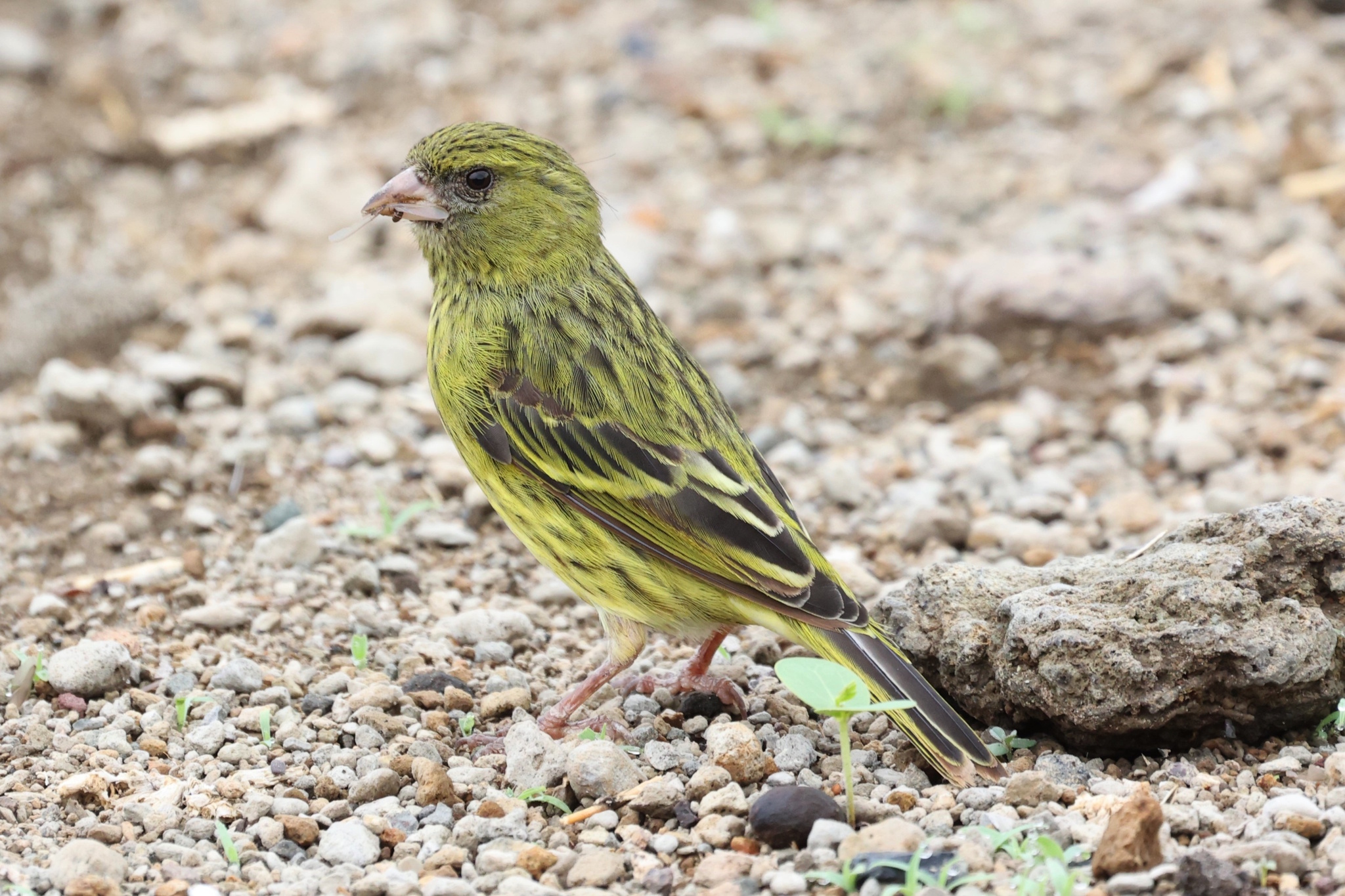
African Citril (Crithagra citrinelloides) African Citril

Media

Loading…

In short

The Yellow-fronted Canary and African Citril are similar finches, but the Yellow-fronted Canary typically shows a more pronounced yellow forehead and supercilium, while the African Citril has a more olive-toned overall plumage. Both species have similar structures, but their vocalizations differ, providing another clue for identification.

Identification tips

  1. Look for the yellow forehead and supercilium on the Yellow-fronted Canary. 2. Note the olive-toned plumage of the African Citril. 3. Listen for the song: Yellow-fronted Canary has simpler trills, while African Citril's song is more complex. 4. Consider habitat: African Citril may be found at higher altitudes.

Size

Both species are similar in size, typical of small finches.

Plumage

The Yellow-fronted Canary has a distinct yellow forehead and supercilium, contrasting with its greyish-green back. The African Citril generally exhibits a more olive-toned plumage with less pronounced yellow on the face.

Behaviour

Both species are often seen in flocks and exhibit similar feeding behaviors, foraging on seeds and grains.

Habitat

Both species can be found in open woodlands and savannas, but the African Citril may also frequent higher altitudes and montane forests.

Voice

The Yellow-fronted Canary's song is a series of high-pitched trills and whistles, whereas the African Citril's song is generally more complex and varied, often including mimicked phrases.

Submit a better description

Use the same sections as the comparison. Your text is published immediately.

The Yellow-fronted Canary and African Citril are similar finches, but the Yellow-fronted Canary typically shows a more pronounced yellow forehead and supercilium, while the African Citril has a more olive-toned overall plumage. Both species have similar structures, but their vocalizations differ, providing another clue for identification.

  1. Look for the yellow forehead and supercilium on the Yellow-fronted Canary. 2. Note the olive-toned plumage of the African Citril. 3. Listen for the song: Yellow-fronted Canary has simpler trills, while African Citril's song is more complex. 4. Consider habitat: African Citril may be found at higher altitudes.

Both species are similar in size, typical of small finches.

The Yellow-fronted Canary has a distinct yellow forehead and supercilium, contrasting with its greyish-green back. The African Citril generally exhibits a more olive-toned plumage with less pronounced yellow on the face.

Both species are often seen in flocks and exhibit similar feeding behaviors, foraging on seeds and grains.

Both species can be found in open woodlands and savannas, but the African Citril may also frequent higher altitudes and montane forests.

The Yellow-fronted Canary's song is a series of high-pitched trills and whistles, whereas the African Citril's song is generally more complex and varied, often including mimicked phrases.

Discard your changes?

You have unsaved edits. If you leave now, those changes will be lost.

Yellow-fronted Canary · African Citril · My Tricky Birds