
Yellow-olive Flatbill vs Grey-crowned Flatbill
Tolmomyias sulphurescens versus Tolmomyias poliocephalus
Play a quiz with Yellow-olive Flatbill and Grey-crowned Flatbill
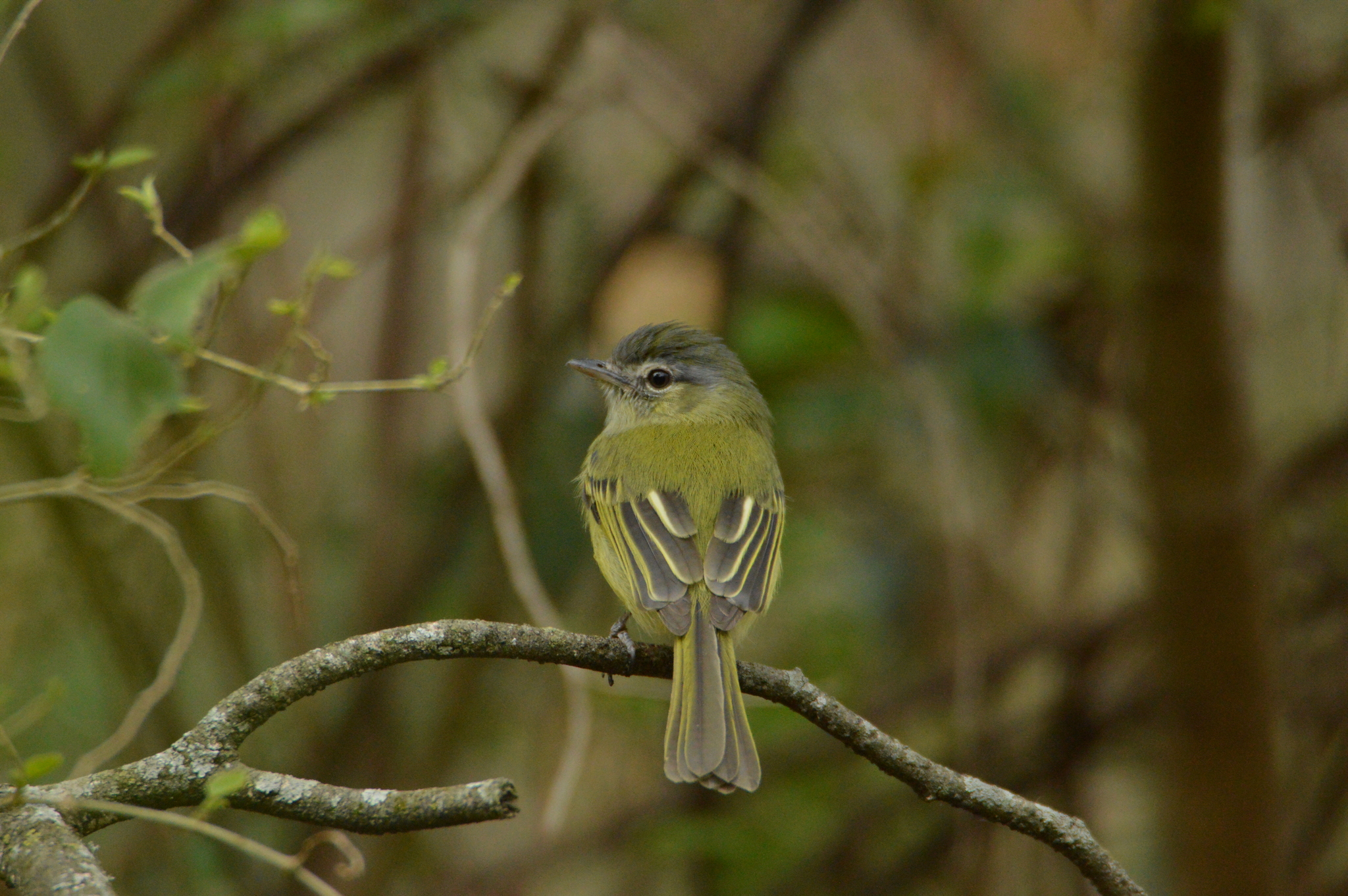 Yellow-olive Flatbill
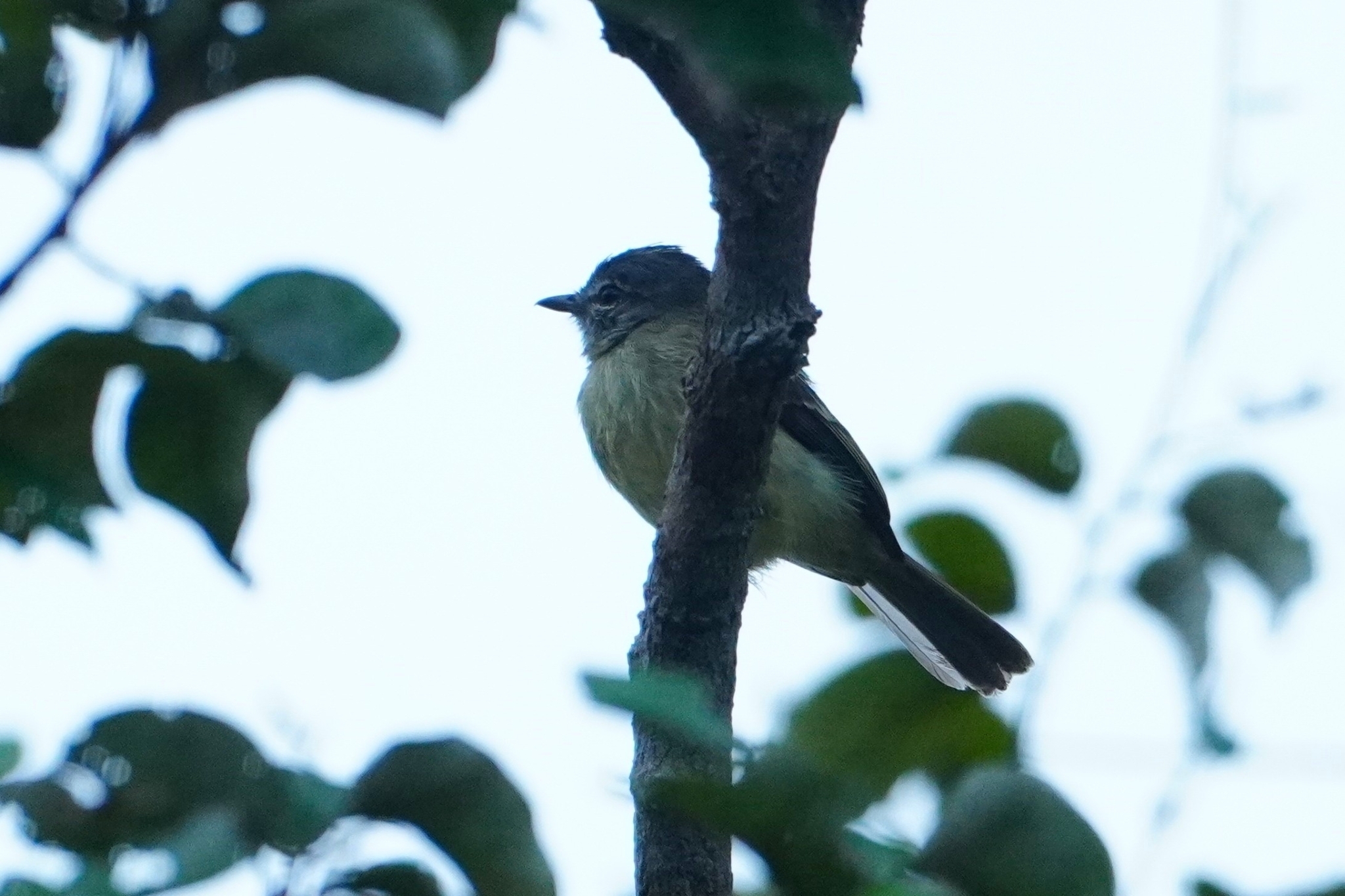 Grey-crowned Flatbill
In short
The Yellow-olive Flatbill and Grey-crowned Flatbill are similar flycatchers, but the Yellow-olive Flatbill has a light-gray crown and pale gray cheeks and throat, while the Grey-crowned Flatbill typically has a darker crown. Both species forage in forested areas, often in mixed-species flocks, but their habitats and vocalizations can help distinguish them.
Identification tips
- Look for the light-gray crown and pale gray cheeks and throat on the Yellow-olive Flatbill. 2. Note the darker crown of the Grey-crowned Flatbill. 3. Consider habitat: Yellow-olive prefers forest edges, while Grey-crowned is more Amazonian. 4. Listen for vocal differences if possible.
Size
Both species are similar in size, typical of small flycatchers.
Plumage
Yellow-olive Flatbill has a light-gray crown and pale gray cheeks and throat, with a pale yellow belly. The Grey-crowned Flatbill generally has a darker crown and lacks the distinct pale gray cheeks and throat.
Behaviour
Both species forage by slowly searching foliage for insects and often join mixed-species flocks. They are typically seen alone or in pairs.
Habitat
Yellow-olive Flatbill is associated with forest and forest edges, while Grey-crowned Flatbill is primarily found in Amazonian forests and a variety of forest types below 1000 m.
Voice
Vocalizations can differ, but specific details are not provided. Observers should note any distinct calls or songs when possible.
Yellow-olive Flatbill · Grey-crowned Flatbill · My Tricky Birds