
Yellow-throated Bunting vs Ochre-rumped Bunting
Emberiza elegans versus Emberiza yessoensis
Play a quiz with Yellow-throated Bunting and Ochre-rumped Bunting
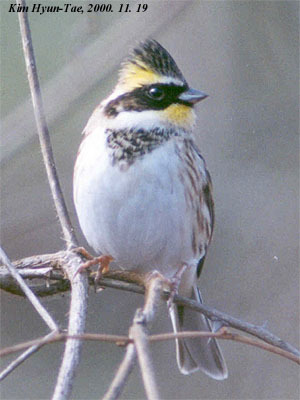 Yellow-throated Bunting
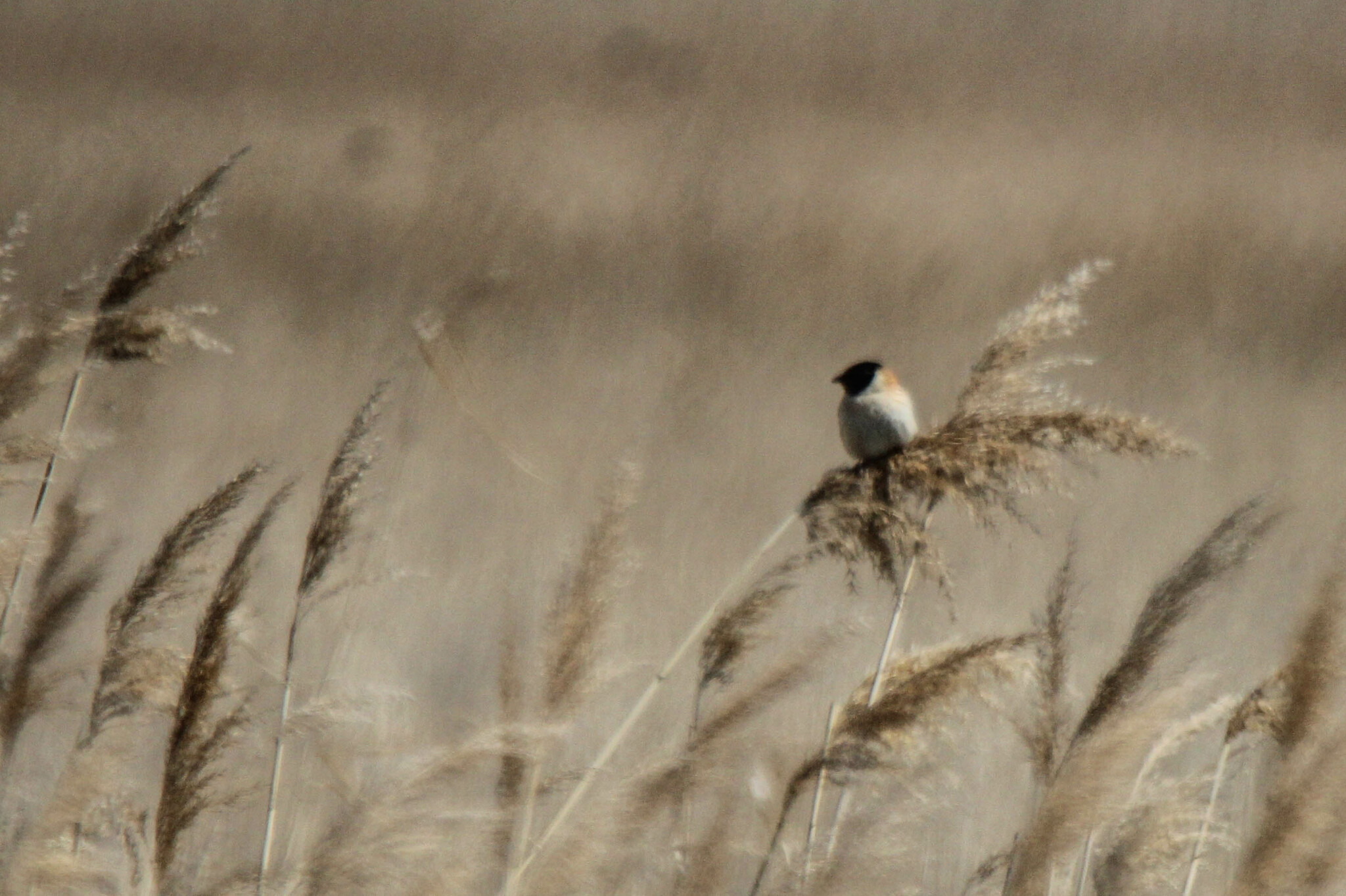 Ochre-rumped Bunting
In short
The Yellow-throated Bunting and the Ochre-rumped Bunting can be distinguished primarily by their plumage: the Yellow-throated Bunting has a distinct yellow throat, while the Ochre-rumped Bunting features an ochre-colored rump. Both species belong to the Old World Buntings family and share similar habitats and behaviors, making plumage the most reliable field mark.
Identification tips
- Look for the yellow throat in the Yellow-throated Bunting. 2. Check for the ochre rump in the Ochre-rumped Bunting. 3. Observe the head pattern: Yellow-throated has a more contrasting pattern. 4. Consider habitat overlap but focus on plumage differences. 5. Be cautious of seasonal plumage changes and juvenile appearances.
Size
Both species are similar in size, typical of small buntings.
Plumage
The Yellow-throated Bunting has a bright yellow throat and a more contrasting head pattern, while the Ochre-rumped Bunting is characterized by its ochre-colored rump and less pronounced head markings.
Behaviour
Both species exhibit similar behaviors typical of buntings, such as foraging on the ground and perching in shrubs.
Habitat
Both species inhabit similar environments, often found in open woodlands and shrubby areas.
Voice
Vocalizations are not well-documented in the provided notes, but both species are known to have typical bunting songs and calls.
Yellow-throated Bunting · Ochre-rumped Bunting · My Tricky Birds