
Yellow-throated Bunting vs Yellow-browed Bunting
Emberiza elegans versus Emberiza chrysophrys
Play a quiz with Yellow-throated Bunting and Yellow-browed Bunting
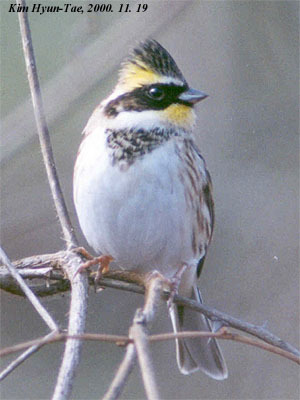 Yellow-throated Bunting
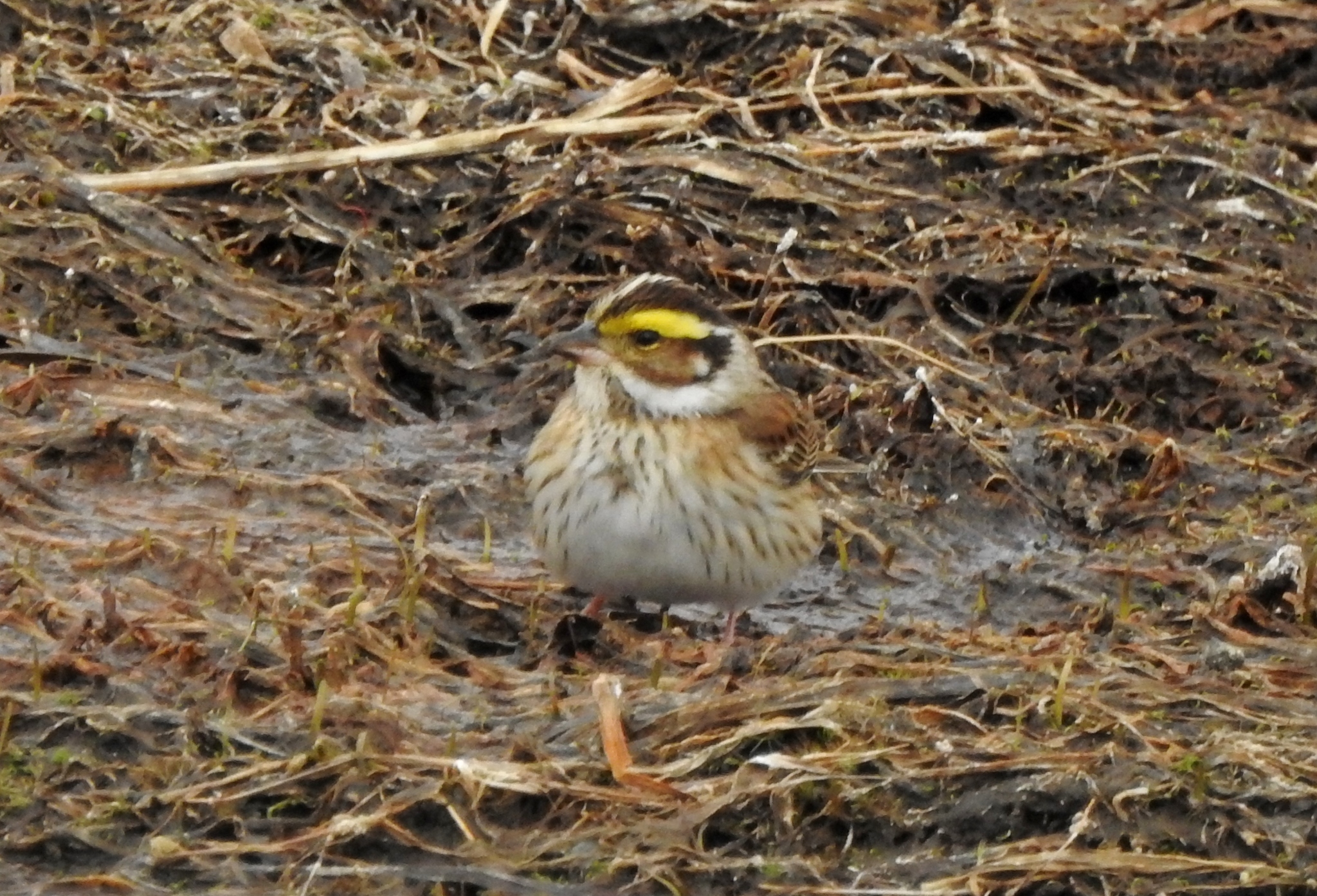 Yellow-browed Bunting
In short
The Yellow-throated Bunting (Emberiza elegans) and Yellow-browed Bunting (Emberiza chrysophrys) are similar in appearance, but can be distinguished by their head markings. The Yellow-throated Bunting has a distinctive yellow throat and a more pronounced black face mask, while the Yellow-browed Bunting features a prominent yellow supercilium (eyebrow) and lacks the yellow throat.
Identification tips
- Look for the yellow throat and black face mask of the Yellow-throated Bunting. 2. Check for the yellow supercilium of the Yellow-browed Bunting. 3. Observe the overall head pattern; Yellow-throated has a more contrasting black and yellow face. 4. Note the habitat and behavior, though these are less reliable for differentiation.
Size
Both species are similar in size, typical of small buntings.
Plumage
The Yellow-throated Bunting has a yellow throat and a black face mask, whereas the Yellow-browed Bunting is noted for its yellow supercilium and lacks the yellow throat. Both have streaked brown backs and wings.
Behaviour
Both species exhibit typical bunting behaviors, such as foraging on the ground and perching in shrubs or low trees.
Habitat
Both species inhabit similar environments, including open woodlands and shrubby areas, but specific preferences may vary regionally.
Voice
Vocalizations are not a primary distinguishing feature between these two species, and they are similar in their calls and songs.
Yellow-throated Bunting · Yellow-browed Bunting · My Tricky Birds