Birdr

Yellow Wattlebird vs Singing Honeyeater

Anthochaera paradoxa versus Gavicalis virescens

Play a quiz with Yellow Wattlebird and Singing Honeyeater
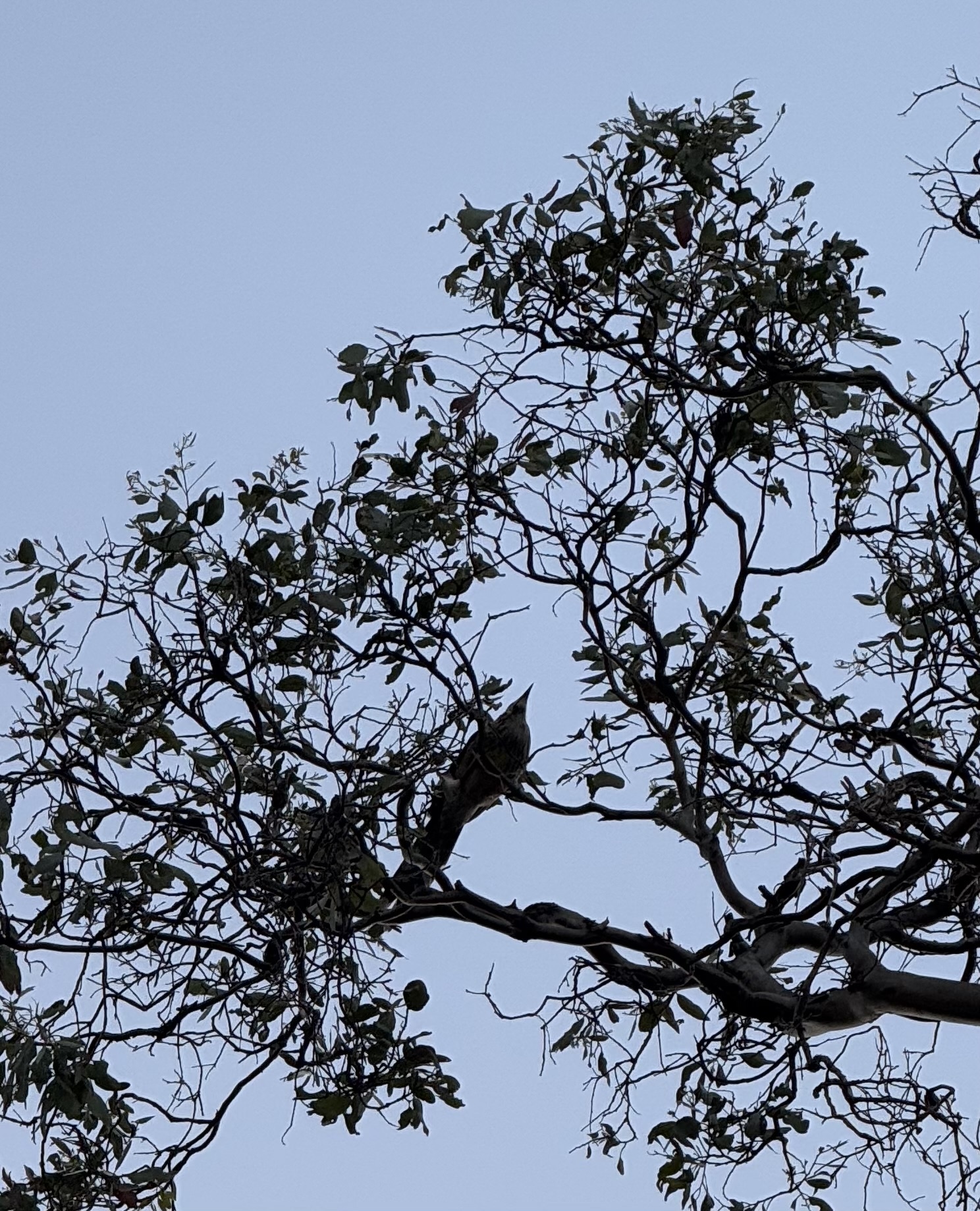
Yellow Wattlebird (Anthochaera paradoxa) Yellow Wattlebird
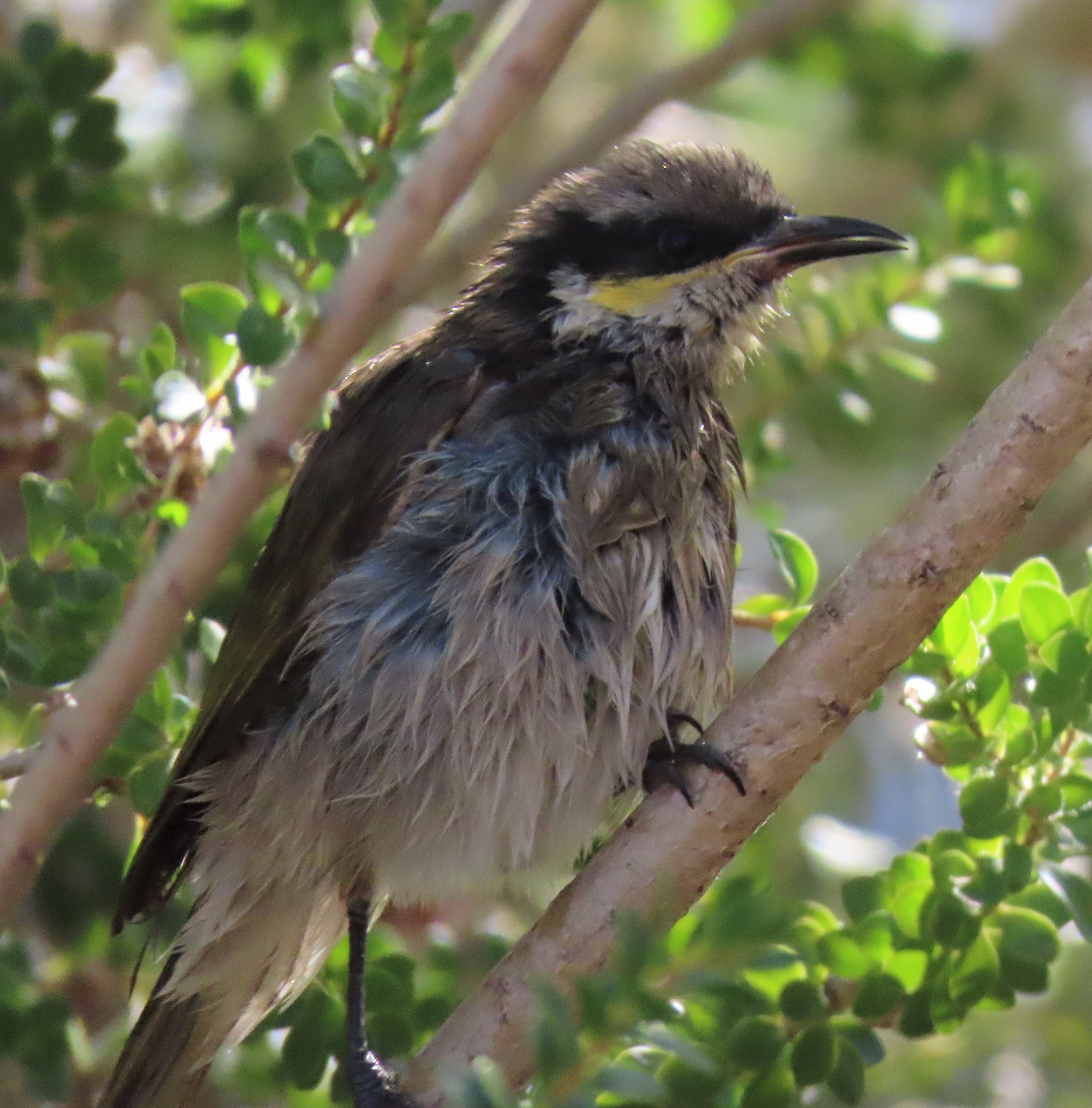
Singing Honeyeater (Gavicalis virescens) Singing Honeyeater

Media

Loading…

In short

The Yellow Wattlebird and the Singing Honeyeater are both honeyeaters, but they can be distinguished by their size and distinctive facial features. The Yellow Wattlebird is larger with prominent yellow wattles on its face, while the Singing Honeyeater is smaller and lacks these wattles. Both species have similar feeding behaviors but differ in their vocalizations.

Identification tips

  1. Look for the yellow wattles on the face of the Yellow Wattlebird. 2. Note the size difference: the Yellow Wattlebird is larger. 3. Check for the dark eye stripe on the Singing Honeyeater. 4. Listen for the harsh calls of the Yellow Wattlebird versus the melodic song of the Singing Honeyeater.

Size

The Yellow Wattlebird is significantly larger than the Singing Honeyeater.

Plumage

The Yellow Wattlebird has a more striking appearance with yellow wattles on its face, which are absent in the Singing Honeyeater. The Singing Honeyeater has a more subdued plumage with a greyish-brown body and a distinctive dark eye stripe.

Behaviour

Both species are active foragers, often seen moving through foliage in search of nectar and insects.

Habitat

The Yellow Wattlebird is typically found in Tasmania's forests and woodlands, while the Singing Honeyeater is more widespread across Australia, inhabiting a variety of open and semi-arid environments.

Voice

The Yellow Wattlebird has a harsh, cackling call, whereas the Singing Honeyeater produces a more melodic and varied song.

Submit a better description

Use the same sections as the comparison. Your text is published immediately.

The Yellow Wattlebird and the Singing Honeyeater are both honeyeaters, but they can be distinguished by their size and distinctive facial features. The Yellow Wattlebird is larger with prominent yellow wattles on its face, while the Singing Honeyeater is smaller and lacks these wattles. Both species have similar feeding behaviors but differ in their vocalizations.

  1. Look for the yellow wattles on the face of the Yellow Wattlebird. 2. Note the size difference: the Yellow Wattlebird is larger. 3. Check for the dark eye stripe on the Singing Honeyeater. 4. Listen for the harsh calls of the Yellow Wattlebird versus the melodic song of the Singing Honeyeater.

The Yellow Wattlebird is significantly larger than the Singing Honeyeater.

The Yellow Wattlebird has a more striking appearance with yellow wattles on its face, which are absent in the Singing Honeyeater. The Singing Honeyeater has a more subdued plumage with a greyish-brown body and a distinctive dark eye stripe.

Both species are active foragers, often seen moving through foliage in search of nectar and insects.

The Yellow Wattlebird is typically found in Tasmania's forests and woodlands, while the Singing Honeyeater is more widespread across Australia, inhabiting a variety of open and semi-arid environments.

The Yellow Wattlebird has a harsh, cackling call, whereas the Singing Honeyeater produces a more melodic and varied song.

Discard your changes?

You have unsaved edits. If you leave now, those changes will be lost.

Yellow Wattlebird · Singing Honeyeater · My Tricky Birds