
Yellow-winged Vireo vs Chestnut-sided Warbler
Vireo carmioli versus Setophaga pensylvanica
Play a quiz with Yellow-winged Vireo and Chestnut-sided Warbler
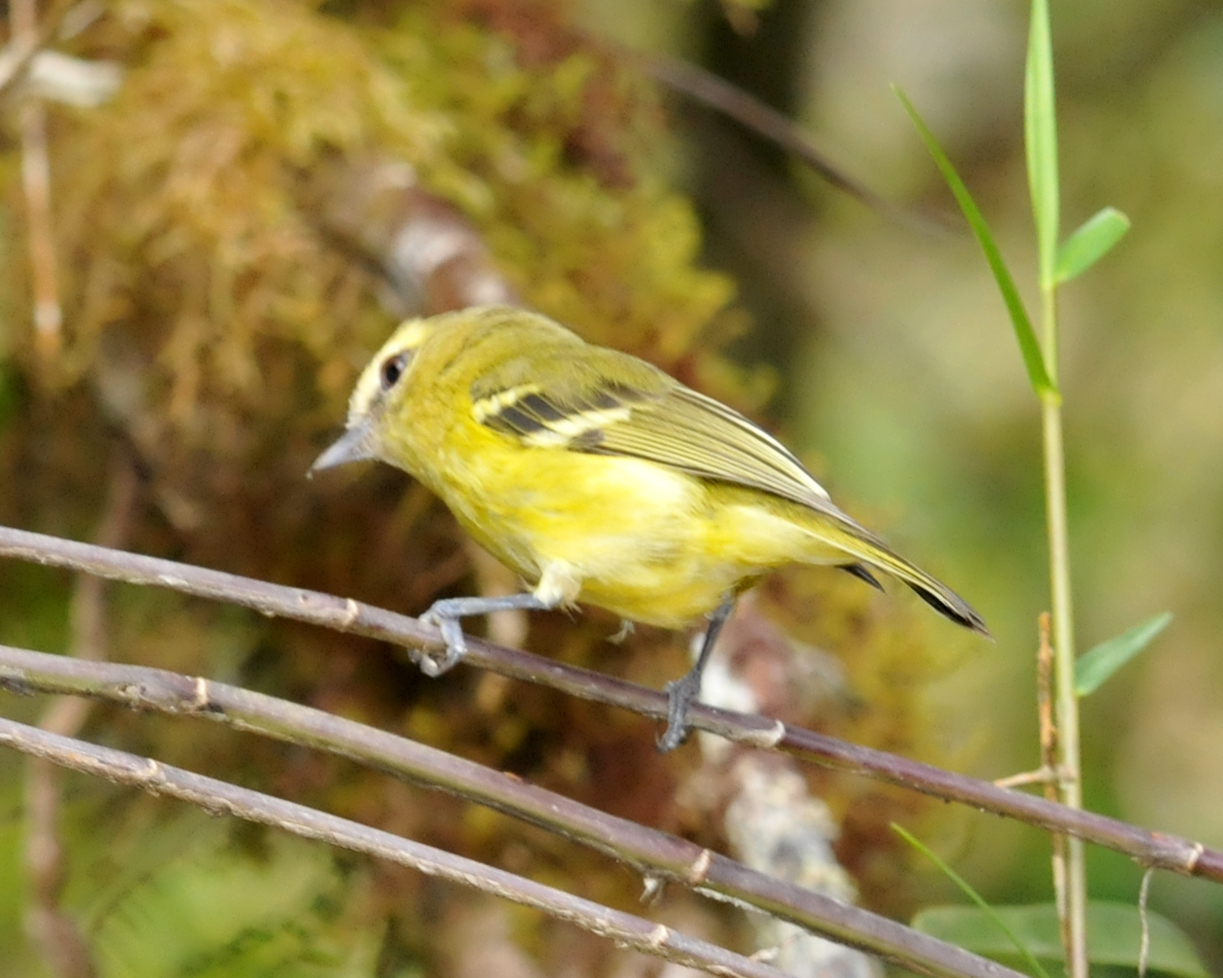 Yellow-winged Vireo
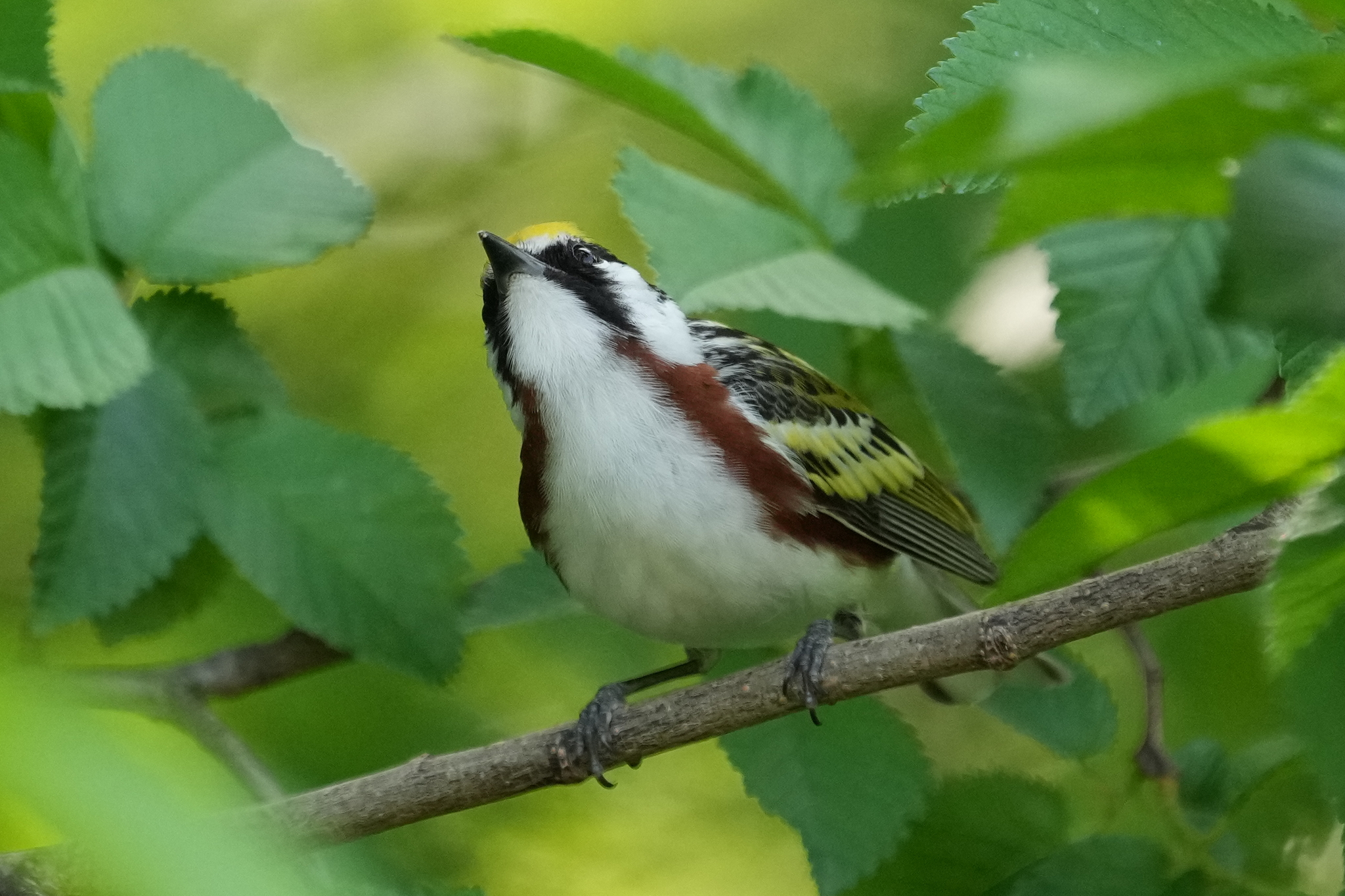 Chestnut-sided Warbler
In short
The Yellow-winged Vireo and Chestnut-sided Warbler can be distinguished by their plumage and behavior. The vireo has a more uniform greenish-yellow appearance with distinct yellow wing bars, while the warbler is notable for its chestnut flanks and contrasting yellow and black markings. Both species are small, but their behaviors and habitats also offer clues for identification.
Identification tips
- Look for the yellow wing bars on the Yellow-winged Vireo, absent in the warbler. 2. Note the chestnut flanks and yellow crown of the Chestnut-sided Warbler. 3. Observe behavior: warblers are more active and often cock their tails. 4. Listen for the warbler's distinctive song during breeding season. 5. Consider habitat: vireos in montane forests, warblers in deciduous or shrubby areas.
Size
Both species are small, but the Chestnut-sided Warbler is slightly more slender and agile compared to the more robust Yellow-winged Vireo.
Plumage
The Yellow-winged Vireo has a greenish-yellow body with prominent yellow wing bars and lacks the striking chestnut flanks of the Chestnut-sided Warbler. The warbler also features a bright yellow crown and black facial markings, which are absent in the vireo.
Behaviour
The Chestnut-sided Warbler is highly active, often seen foraging on the undersides of leaves with its tail cocked. The Yellow-winged Vireo is more deliberate in its movements, typically seen gleaning insects from foliage.
Habitat
The Yellow-winged Vireo is often found in subtropical or tropical moist montane forests, while the Chestnut-sided Warbler prefers deciduous forests and shrubby areas, especially during migration.
Voice
The Yellow-winged Vireo has a series of short, repetitive phrases, while the Chestnut-sided Warbler's song is a distinctive 'pleased, pleased, pleased to meet you' pattern. These vocalizations are useful for identification when visual cues are challenging.
Yellow-winged Vireo · Chestnut-sided Warbler · My Tricky Birds