
Bluthänfling vs Schottlandkreuzschnabel
Linaria cannabina gegen Loxia scotica
Ein Quiz mit Bluthänfling und Schottlandkreuzschnabel spielen
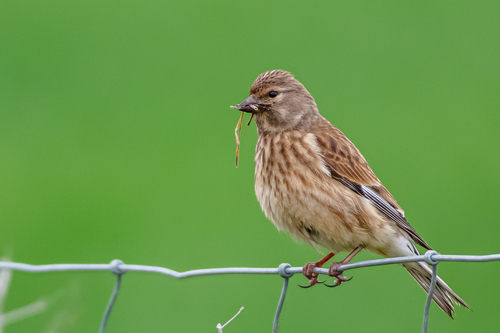 Bluthänfling
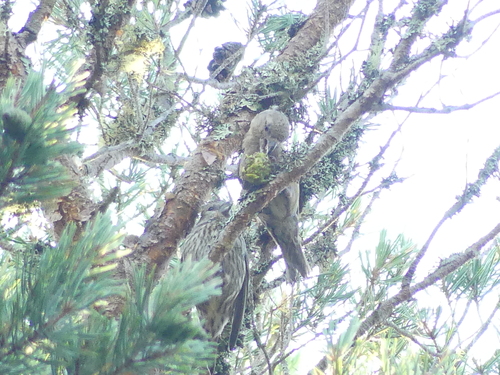 Schottlandkreuzschnabel
Kurz gesagt
Der Bluthänfling und der Schottlandkreuzschnabel lassen sich am besten durch Lebensraum und Gesang unterscheiden. Der Bluthänfling kommt typischerweise in offenen Lebensräumen vor, während der Kreuzschnabel auf schottische Kiefernwälder beschränkt ist. Die Gesänge des Kreuzschnabels sind entscheidend für die Identifikation und erfordern eine Sonogrammanalyse.
Bestimmungstipps
Konzentrieren Sie sich auf den Lebensraum: Bluthänflinge sind in offenen Gebieten, Kreuzschnäbel in Kiefernwäldern. Verwenden Sie Sonogramme, um Kreuzschnabelrufe zu bestätigen, wenn Verdacht besteht.
Gefieder
Das Gefieder ist kein zuverlässiger Unterscheidungsfaktor; beide Arten zeigen variable Färbungen, wobei der Bluthänfling mehr bräunliche Töne zeigt und der Kreuzschnabel bei Männchen rot oder orange und bei Weibchen olivgrün zeigt.
Lebensraum
Der Bluthänfling bevorzugt offene Lebensräume wie Felder und Heideflächen, während der Schottlandkreuzschnabel auf einheimische kaledonische Kiefernwälder und kommerzielle Plantagen in Schottland beschränkt ist.
Stimme
Der charakteristische metallische Flugruf und der diagnostische Erregungsruf des Schottlandkreuzschnabels sind entscheidend für die Identifikation und erfordern eine Sonogrammanalyse. Die Gesänge des Bluthänflings werden nicht als diagnostisch hervorgehoben.
Bluthänfling · Schottlandkreuzschnabel · Meine schwierigen Vögel