
Calamoncillo Celeste vs Polluela Pechigrís
Porphyrio flavirostris frente a Laterallus exilis
Juega un quiz con Calamoncillo Celeste y Polluela Pechigrís
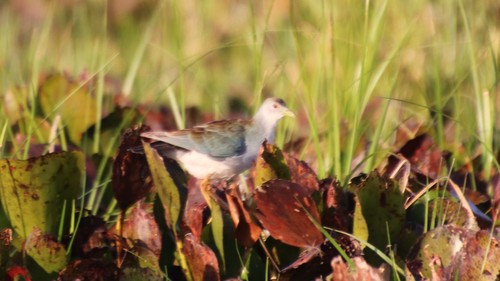 Calamoncillo Celeste
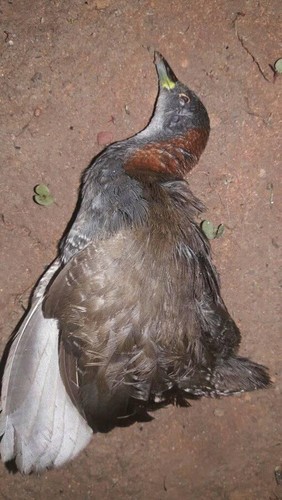 Polluela Pechigrís
En breve
El Calamoncillo Celeste y la Polluela Pechigrís son aves de humedales, pero difieren significativamente en apariencia y comportamiento. El Calamoncillo Celeste es notable por su pico amarillo y su escudo frontal, mientras que la Polluela Pechigrís es más esquiva y menos colorida. Comportamentalmente, el Calamoncillo Celeste es más propenso a ser visto doblando la vegetación para alimentarse, mientras que la Polluela Pechigrís es conocida por su naturaleza secreta.
Consejos de identificación
Busque el pico amarillo y el escudo frontal del Calamoncillo Celeste y su plumaje azul pálido. La Polluela Pechigrís es menos colorida y más esquiva, a menudo requiriendo paciencia para observar.
Plumaje
El Calamoncillo Celeste tiene una coloración azul pálido y desvaído en la cabeza, el cuello, los flancos y las alas, con un distintivo pico amarillo y escudo frontal. En contraste, la Polluela Pechigrís carece de tal coloración vibrante y generalmente es más sobria en apariencia.
Comportamiento
El Calamoncillo Celeste es más propenso a esconderse en la vegetación alta, pero a menudo se le ve alimentándose al doblar la vegetación hacia la superficie del agua. La Polluela Pechigrís es conocida por su comportamiento secreto, lo que hace que sea más difícil de avistar.
Hábitat
Ambas especies habitan en humedales, pero el Calamoncillo Celeste es específicamente notable por su presencia en el norte de América del Sur.
Calamoncillo Celeste · Polluela Pechigrís · Mis aves difíciles