
Golondrina Común vs Tangara Cenicienta
Hirundo rustica frente a Tangara inornata
Juega un quiz con Golondrina Común y Tangara Cenicienta
 Golondrina Común
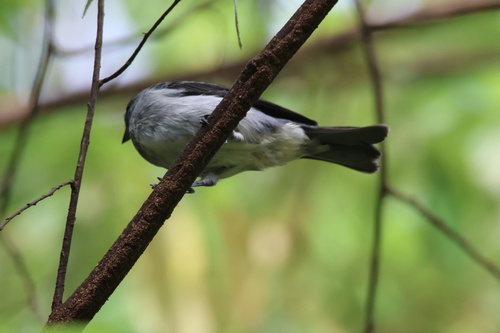 Tangara Cenicienta
En breve
La Golondrina Común es un hirundinido de tamaño mediano con una distintiva cola larga y bifurcada y partes superiores de un brillante azul acero, mientras que la Tangara Cenicienta es un ave pequeña y menos colorida que se encuentra típicamente en parejas o pequeños grupos. Los largos streamers de la cola de la Golondrina Común y su garganta castaño-rufosa son identificadores clave, en contraste con la apariencia más sutil de la Tangara Cenicienta.
Consejos de identificación
- Busca la larga cola bifurcada de la Golondrina Común y sus partes superiores de un brillante azul acero.
- Nota la garganta castaño-rufosa y la amplia banda pectoral azul acero de la Golondrina Común.
- Observa el hábitat: las Golondrinas Comunes están en áreas abiertas, mientras que las Tangaras Cenicientas están en los bordes del bosque.
- Considera el comportamiento: las Golondrinas Comunes a menudo se ven en vuelo, mientras que las Tangaras Cenicientas son más propensas a estar en parejas o pequeños grupos.
Tamaño
La Golondrina Común es generalmente más grande con un cuerpo y cola más alargados en comparación con la más pequeña y compacta Tangara Cenicienta.
Plumaje
Las Golondrinas Comunes tienen partes superiores de un brillante azul acero y una garganta castaño-rufosa con una amplia banda pectoral azul acero, mientras que las Tangaras Cenicientas son menos coloridas, careciendo de los distintivos tonos brillantes y castaño-rufoso.
Comportamiento
Las Golondrinas Comunes a menudo se ven volando con gracia en áreas abiertas, mientras que las Tangaras Cenicientas típicamente forrajean en los bordes del bosque y en bosques de segundo crecimiento.
Hábitat
Las Golondrinas Comunes se encuentran comúnmente en áreas abiertas, a menudo cerca del agua, mientras que las Tangaras Cenicientas prefieren los bordes de bosques húmedos y bosques de segundo crecimiento.