
Chotacabras Tucuchillo vs Chotacabras Cuerporruín Norteño
Antrostomus ridgwayi frente a Antrostomus vociferus
Juega un quiz con Chotacabras Tucuchillo y Chotacabras Cuerporruín Norteño
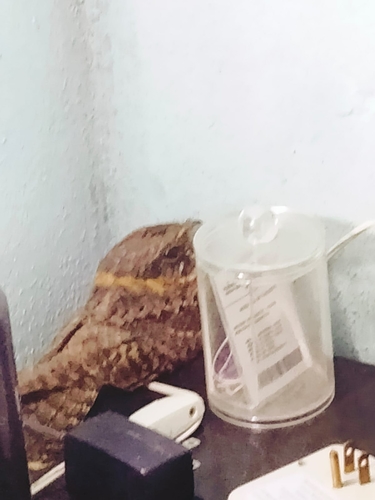 Chotacabras Tucuchillo
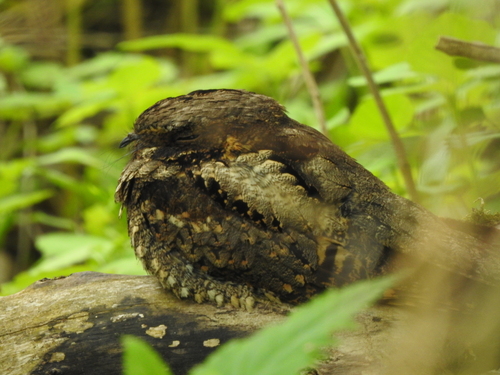 Chotacabras Cuerporruín Norteño
En breve
El Chotacabras Tucuchillo y el Chotacabras Cuerporruín Norteño son ambos chotacabras crípticos, pero se pueden distinguir por sus vocalizaciones y sutiles diferencias en el plumaje. El Chotacabras Tucuchillo recibe su nombre por su distintivo collar de color canela, mientras que el Chotacabras Cuerporruín Norteño se identifica más a menudo por su enfático canto 'WHIP-poor-WILL'.
Consejos de identificación
- Escucha los cantos: El canto 'WHIP-poor-WILL' del Chotacabras Cuerporruín Norteño es un fuerte identificador.
- Busca el collar de color canela: Esta es una característica clave del Chotacabras Tucuchillo.
- Observa los patrones del plumaje: El Chotacabras Cuerporruín Norteño tiene un plumaje más críptico y uniforme con manchas negras.
Plumaje
El Chotacabras Tucuchillo presenta un collar de color canela que está ausente en el Chotacabras Cuerporruín Norteño. El Chotacabras Cuerporruín Norteño tiene un plumaje más críptico y uniforme, que está altamente camuflado con manchas negras.
Comportamiento
Ambas especies son nocturnas y exhiben comportamientos similares como anidar en el suelo y permanecer inmóviles durante el día. Sin embargo, las actividades reproductivas del Chotacabras Cuerporruín Norteño están estrechamente ligadas al ciclo lunar, lo cual no se menciona para el Chotacabras Tucuchillo.
Voz
El Chotacabras Cuerporruín Norteño es bien conocido por su distintivo y enfático canto 'WHIP-poor-WILL', que es un identificador clave. Las vocalizaciones del Chotacabras Tucuchillo no están detalladas en las notas proporcionadas.
Chotacabras Tucuchillo · Chotacabras Cuerporruín Norteño · Mis aves difíciles