
Semillero Ventricastaño vs Semillero Pechirrufo
Sporophila castaneiventris frente a Sporophila minuta
Juega un quiz con Semillero Ventricastaño y Semillero Pechirrufo
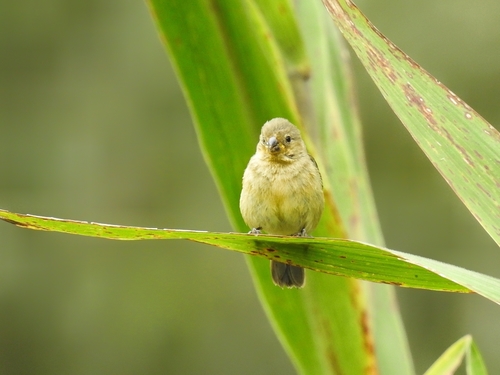 Semillero Ventricastaño
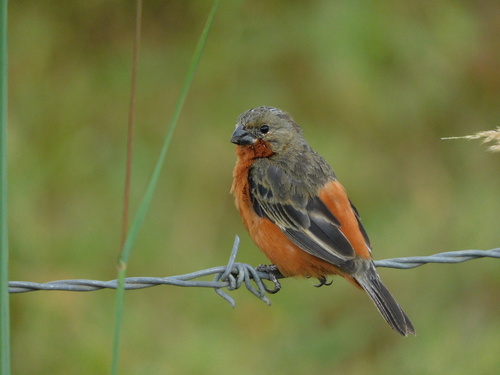 Semillero Pechirrufo
En breve
El macho Semillero Ventricastaño se puede distinguir del Semillero Pechirrufo por su falta de un rabadilla rufo, que es una característica clave del Semillero Pechirrufo. Ambas especies tienen rangos superpuestos en el noreste de América del Sur, lo que hace que la identificación sea crucial.
Consejos de identificación
Concéntrate en el color de la rabadilla del macho: rufo indica un Semillero Pechirrufo. Las hembras son difíciles de distinguir a menos que se vean con un macho.
Plumaje
Los machos Semilleros Pechirrufos tienen una rabadilla rufo distintiva, mientras que los machos Semilleros Ventricastaños no. Las hembras Semilleros Ventricastaños son poco llamativas y mayormente marrones, lo que las hace difíciles de identificar sin un macho cerca.
Semillero Ventricastaño · Semillero Pechirrufo · Mis aves difíciles