
Avetorillo Canelo vs Garcilla India
Botaurus cinnamomeus frente a Ardeola grayii
Juega un quiz con Avetorillo Canelo y Garcilla India
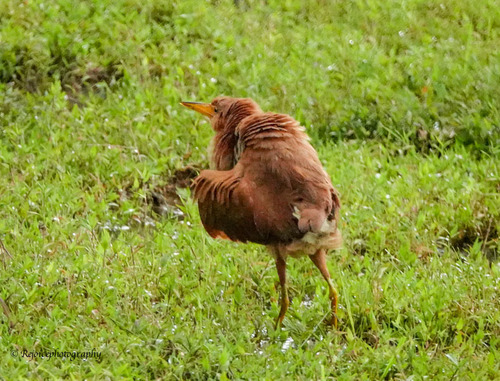 Avetorillo Canelo
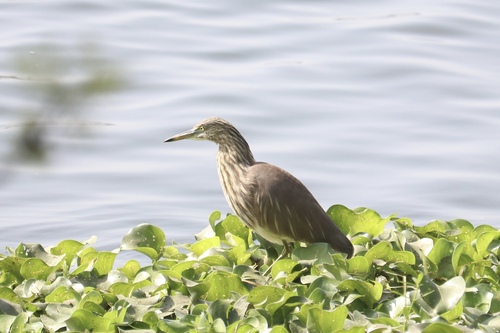 Garcilla India
En breve
El Avetorillo Canelo y la Garcilla India se pueden distinguir principalmente por su plumaje y comportamiento. El Avetorillo Canelo es de un color canela-marrón más uniforme, mientras que la Garcilla India tiene una apariencia más estriada y un plumaje de cría distintivo. Comportamentalmente, el Avetorillo Canelo es más reservado y a menudo se encuentra en vegetación densa, mientras que la Garcilla India es más propensa a ser vista en áreas abiertas cerca del agua.
Consejos de identificación
Busque el plumaje uniforme canela-marrón del Avetorillo Canelo, especialmente en vegetación densa. En contraste, note la apariencia estriada de la Garcilla India, y durante la temporada de cría, sus alas y espalda blancas. Observe el comportamiento: los Avetorillos Canelos son más reservados, mientras que las Garcillas Indias suelen estar en áreas abiertas y acuáticas.
Plumaje
El Avetorillo Canelo se caracteriza por su plumaje uniforme canela-marrón, careciendo de las estrías que se encuentran en la Garcilla India. En contraste, la Garcilla India tiene una apariencia estriada, particularmente notable fuera de la temporada de cría. Durante la temporada de cría, la Garcilla India desarrolla alas y espalda blancas llamativas, que están ausentes en el Avetorillo Canelo.
Comportamiento
Los Avetorillos Canelos son típicamente más reservados y prefieren permanecer ocultos en vegetación densa. Las Garcillas Indias se ven más a menudo en áreas abiertas, frecuentemente cerca de cuerpos de agua, y son menos tímidas, permitiendo una observación más cercana.
Hábitat
Los Avetorillos Canelos se encuentran generalmente en pantanos densos y cañaverales, mientras que las Garcillas Indias se ven más comúnmente en humedales abiertos, estanques y campos de arroz.