
Buscarla Pintoja vs Avión Zapador
Locustella naevia frente a Riparia riparia
Juega un quiz con Buscarla Pintoja y Avión Zapador
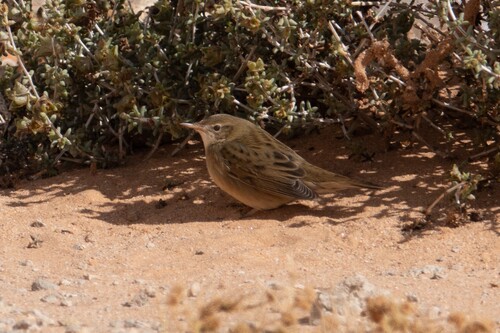 Buscarla Pintoja
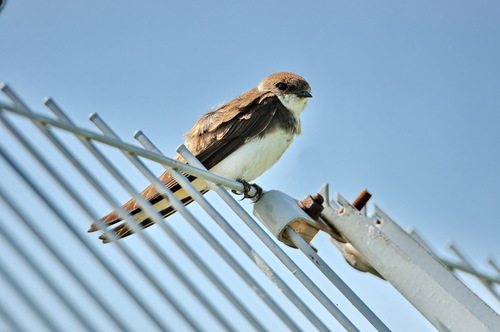 Avión Zapador
En breve
La Buscarla Pintoja y el Avión Zapador se distinguen fácilmente por su estructura y comportamiento. La buscarla es un ave terrestre con un cuerpo esbelto y una cola corta, mientras que el Avión Zapador es una especie aérea con un cuerpo aerodinámico y alas largas. Sus hábitats y comportamientos también son notablemente diferentes, lo que ayuda en la identificación.
Consejos de identificación
Estructura: Busca la cola corta y el cuerpo esbelto de la buscarla frente a las alas largas y la forma aerodinámica del avión. Comportamiento: Observa los hábitos terrestres de la buscarla en comparación con la búsqueda aérea del avión. Hábitat: Considera la presencia de vegetación densa para la buscarla y áreas abiertas y acuáticas para el avión.
Tamaño
La Buscarla Pintoja es más pequeña y compacta en comparación con el más aerodinámico y de alas más grandes Avión Zapador.
Plumaje
La Buscarla Pintoja tiene un plumaje más críptico y marrón, adecuado para su estilo de vida terrestre, mientras que el Avión Zapador tiene un plumaje distintivo marrón y blanco con una banda marrón en el pecho.
Comportamiento
La Buscarla Pintoja se observa típicamente escondiéndose en vegetación densa, mientras que el Avión Zapador se observa a menudo en vuelo, atrapando insectos sobre el agua o campos abiertos.
Hábitat
La Buscarla Pintoja prefiere praderas densas y áreas arbustivas, mientras que el Avión Zapador se asocia con áreas abiertas cerca del agua, a menudo anidando en bancos de arena.