
cigarrinha-malhada vs andorinha-do-barranco
Locustella naevia versus Riparia riparia
Jogue um quiz com cigarrinha-malhada e andorinha-do-barranco
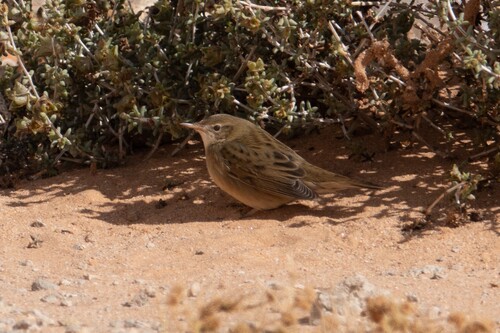 cigarrinha-malhada
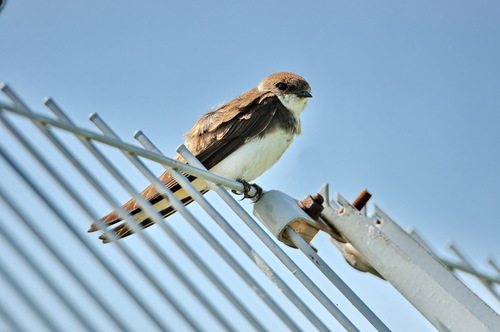 andorinha-do-barranco
Em resumo
A cigarrinha-malhada e a andorinha-do-barranco são facilmente distinguidas por sua estrutura e comportamento. A cigarrinha é uma ave terrestre com um corpo esguio e uma cauda curta, enquanto a andorinha-do-barranco é uma espécie aérea com um corpo aerodinâmico e asas longas. Seus habitats e comportamentos também são notavelmente diferentes, ajudando na identificação.
Dicas de identificação
Estrutura: Procure pela cauda curta e corpo esguio da cigarrinha em comparação com as asas longas e a forma aerodinâmica da andorinha. Comportamento: Note os hábitos terrestres da cigarrinha em comparação com a forrageamento aéreo da andorinha. Habitat: Considere a presença de vegetação densa para a cigarrinha e áreas abertas e aquáticas para a andorinha.
Tamanho
A cigarrinha-malhada é menor e mais compacta em comparação com a andorinha-do-barranco, que é mais aerodinâmica e possui asas maiores.
Plumagem
A cigarrinha-malhada tem uma plumagem mais críptica e acastanhada, adequada para seu estilo de vida terrestre, enquanto a andorinha-do-barranco possui uma plumagem distinta, marrom e branca, com uma faixa marrom no peito.
Comportamento
A cigarrinha-malhada é tipicamente vista se esgueirando em vegetação densa, enquanto a andorinha-do-barranco é frequentemente observada em voo, capturando insetos sobre a água ou campos abertos.
Habitat
A cigarrinha-malhada prefere campos gramados densos e áreas arbustivas, enquanto a andorinha-do-barranco está associada a áreas abertas próximas à água, frequentemente nidificando em bancos de areia.
cigarrinha-malhada · andorinha-do-barranco · Minhas aves difíceis