
Añapero Yanqui vs Chotacabras Cuerporruín Norteño
Chordeiles minor frente a Antrostomus vociferus
Juega un quiz con Añapero Yanqui y Chotacabras Cuerporruín Norteño
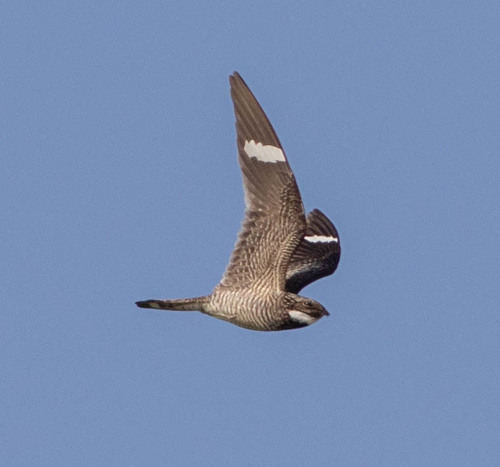 Añapero Yanqui
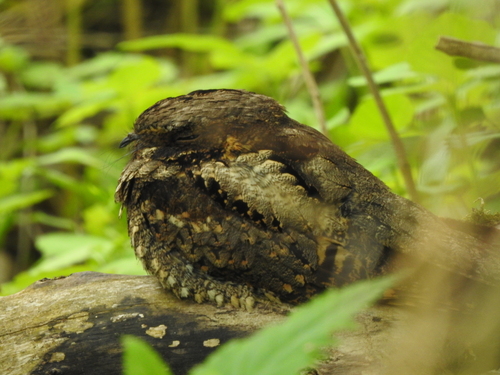 Chotacabras Cuerporruín Norteño
En breve
El Añapero Yanqui y el Chotacabras Cuerporruín Norteño se pueden distinguir principalmente por sus vocalizaciones y patrones de actividad. El Añapero Yanqui a menudo se ve volando al anochecer con su distintivo llamado 'peent', mientras que el Chotacabras Cuerporruín Norteño se escucha más a menudo que se ve, con su enfático llamado 'WHIP-poor-WILL'. Ambas especies tienen colores crípticos, pero su comportamiento y vocalizaciones son clave para la identificación.
Consejos de identificación
- Escucha las vocalizaciones: 'peent' del Añapero Yanqui versus 'WHIP-poor-WILL' del Chotacabras Cuerporruín Norteño.
- Observa los patrones de actividad: Los Añaperos Yanquis son más visibles en vuelo al anochecer, mientras que los Chotacabras Cuerporruín Norteños se escuchan más a menudo que se ven.
Plumaje
Ambas especies tienen plumaje críptico que las hace difíciles de ver cuando están en reposo. No hay diferencias específicas de plumaje destacadas en las notas que sean diagnósticas entre estas dos especies.
Comportamiento
Los Añaperos Yanquis a menudo se ven volando al anochecer o al amanecer, atrapando insectos en el aire. Los Chotacabras Cuerporruín Norteños son más esquivos, típicamente forrajeando en el suelo o bajo el dosel al amanecer y al anochecer, y se ven con menos frecuencia.
Voz
El Añapero Yanqui tiene un distintivo llamado 'peent', que se escucha a menudo durante sus exhibiciones aéreas al anochecer. En contraste, el Chotacabras Cuerporruín Norteño es conocido por su repetitivo llamado 'WHIP-poor-WILL', que se escucha a menudo por la noche.
Añapero Yanqui · Chotacabras Cuerporruín Norteño · Mis aves difíciles