Birdr

Common Nighthawk vs Eastern Whip-poor-will

Chordeiles minor versus Antrostomus vociferus

Play a quiz with Common Nighthawk and Eastern Whip-poor-will
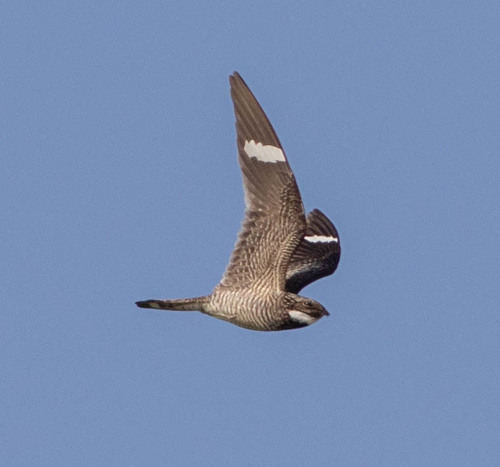
Common Nighthawk (Chordeiles minor) Common Nighthawk
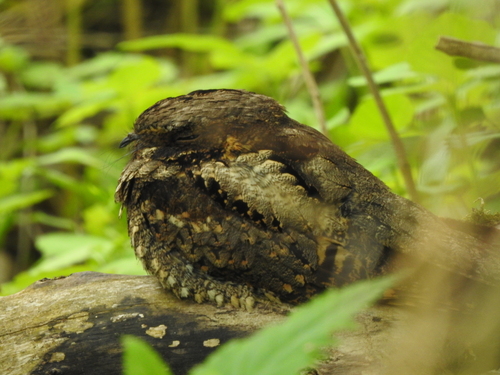
Eastern Whip-poor-will (Antrostomus vociferus) Eastern Whip-poor-will

Media

Loading…

In short

The Common Nighthawk and Eastern Whip-poor-will are both nocturnal birds with cryptic plumage, but they can be distinguished by their flight patterns and vocalizations. The Common Nighthawk is often seen in open areas at dusk, displaying a distinctive white bar across its wings, while the Eastern Whip-poor-will is more elusive, often heard rather than seen, with its repetitive 'whip-poor-will' call.

Identification tips

1. Look for the white wing bar and throat patch on the Common Nighthawk in flight. 2. Listen for the distinctive 'whip-poor-will' call of the Eastern Whip-poor-will at night. 3. Note the habitat: open areas for Common Nighthawk, wooded areas for Eastern Whip-poor-will. 4. Observe flight behavior: acrobatic and visible for Common Nighthawk, more elusive for Eastern Whip-poor-will.

Size

Both species are similar in size, but the Common Nighthawk has longer wings and a more slender build compared to the stockier Eastern Whip-poor-will.

Plumage

The Common Nighthawk has a prominent white bar across its wings and a white throat patch, while the Eastern Whip-poor-will has more uniformly mottled brown plumage without the bold white wing markings.

Behaviour

Common Nighthawks are often seen flying in open areas at dusk, performing acrobatic maneuvers to catch insects. In contrast, Eastern Whip-poor-wills are more secretive, remaining motionless during the day and becoming active at dusk, often staying within wooded areas.

Habitat

Common Nighthawks are typically found in open habitats such as fields, urban areas, and deserts. Eastern Whip-poor-wills prefer wooded areas with dense understory, often nesting on the forest floor.

Voice

The Common Nighthawk is known for its 'peent' call and a booming sound made during its display dives. The Eastern Whip-poor-will is famous for its repetitive and emphatic 'whip-poor-will' call, often heard at night.

Submit a better description

Use the same sections as the comparison. Your text is published immediately.

The Common Nighthawk and Eastern Whip-poor-will are both nocturnal birds with cryptic plumage, but they can be distinguished by their flight patterns and vocalizations. The Common Nighthawk is often seen in open areas at dusk, displaying a distinctive white bar across its wings, while the Eastern Whip-poor-will is more elusive, often heard rather than seen, with its repetitive 'whip-poor-will' call.

1. Look for the white wing bar and throat patch on the Common Nighthawk in flight. 2. Listen for the distinctive 'whip-poor-will' call of the Eastern Whip-poor-will at night. 3. Note the habitat: open areas for Common Nighthawk, wooded areas for Eastern Whip-poor-will. 4. Observe flight behavior: acrobatic and visible for Common Nighthawk, more elusive for Eastern Whip-poor-will.

Both species are similar in size, but the Common Nighthawk has longer wings and a more slender build compared to the stockier Eastern Whip-poor-will.

The Common Nighthawk has a prominent white bar across its wings and a white throat patch, while the Eastern Whip-poor-will has more uniformly mottled brown plumage without the bold white wing markings.

Common Nighthawks are often seen flying in open areas at dusk, performing acrobatic maneuvers to catch insects. In contrast, Eastern Whip-poor-wills are more secretive, remaining motionless during the day and becoming active at dusk, often staying within wooded areas.

Common Nighthawks are typically found in open habitats such as fields, urban areas, and deserts. Eastern Whip-poor-wills prefer wooded areas with dense understory, often nesting on the forest floor.

The Common Nighthawk is known for its 'peent' call and a booming sound made during its display dives. The Eastern Whip-poor-will is famous for its repetitive and emphatic 'whip-poor-will' call, often heard at night.

Discard your changes?

You have unsaved edits. If you leave now, those changes will be lost.

Common Nighthawk · Eastern Whip-poor-will · My Tricky Birds