
Chotacabras Pauraque vs Chotacabras Tucuchillo
Nyctidromus albicollis frente a Antrostomus ridgwayi
Juega un quiz con Chotacabras Pauraque y Chotacabras Tucuchillo
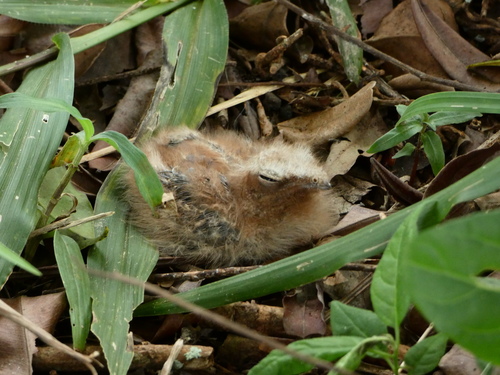 Chotacabras Pauraque
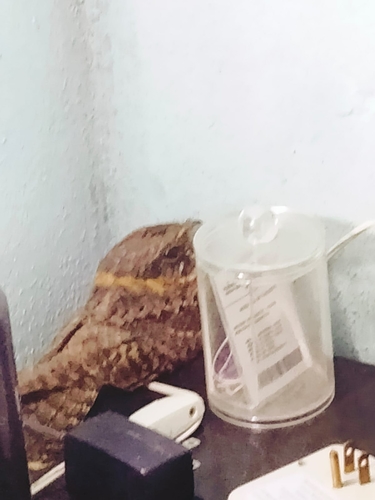 Chotacabras Tucuchillo
En breve
El Chotacabras Pauraque y el Chotacabras Tucuchillo se pueden distinguir por sus patrones de alas y cola. El Pauraque tiene alas romas y redondeadas con una banda blanca en las primarias y una cola larga y redondeada con un blanco sustancial en las rectrices. En contraste, el Chotacabras Tucuchillo carece de estas marcas blancas prominentes.
Consejos de identificación
1. Busca la banda blanca en las primarias y el blanco sustancial en la cola del Chotacabras Pauraque. 2. Observa el comportamiento: el Pauraque se ve a menudo en el suelo, especialmente al amanecer y al atardecer. 3. Escucha la distintiva canción 'hip-hip hip-hip hip-hip-hooray' del Pauraque.
Plumaje
El Chotacabras Pauraque presenta un patrón intrincado de marrones, buff, grises y negros, con una banda blanca distintiva en las alas y un blanco sustancial en la cola. El Chotacabras Tucuchillo no tiene estas marcas blancas, lo que lo hace menos conspicuo en vuelo.
Comportamiento
El Chotacabras Pauraque es particularmente crepuscular y terrestre, a menudo se le ve forrajeando en el suelo.
Voz
La canción del Chotacabras Pauraque es un 'hip-hip hip-hip hip-hip-hooray' ligero, que es un sonido esencial de las tierras bajas tropicales. Las vocalizaciones específicas del Chotacabras Tucuchillo no se detallan aquí.
Chotacabras Pauraque · Chotacabras Tucuchillo · Mis aves difíciles