
Common Pauraque vs Buff-collared Nightjar
Nyctidromus albicollis contro Antrostomus ridgwayi
Fai un quiz con Common Pauraque e Buff-collared Nightjar
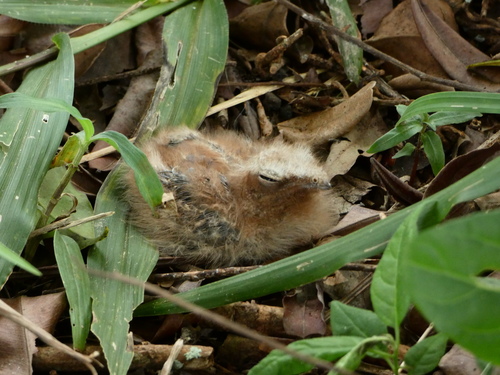 Common Pauraque
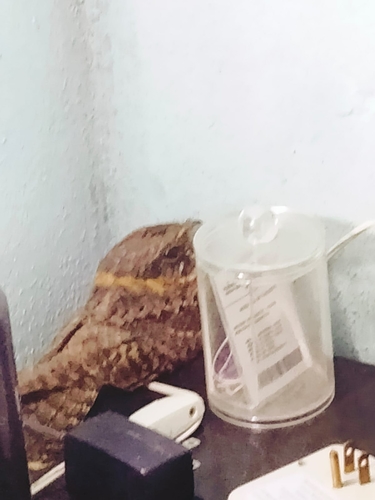 Buff-collared Nightjar
In breve
Il Common Pauraque e il Buff-collared Nightjar possono essere distinti dai loro schemi di ali e coda. Il Pauraque ha ali smussate e arrotondate con una banda bianca sulle primarie e una lunga coda arrotondata con sostanziale bianco nelle retrici. Al contrario, il Buff-collared Nightjar manca di queste marcature bianche prominenti.
Consigli di identificazione
1. Cerca la banda bianca sulle primarie e il sostanziale bianco nella coda del Common Pauraque. 2. Osserva il comportamento: il Pauraque è spesso visto a terra, specialmente al crepuscolo e all'alba. 3. Ascolta il distintivo canto 'hip-hip hip-hip hip-hip-hooray' del Pauraque.
Piumaggio
Il Common Pauraque presenta un intricato schema di marroni, buff, grigi e neri, con una distintiva banda bianca sulle ali e sostanziale bianco nella coda. Il Buff-collared Nightjar non ha queste marcature bianche, rendendolo meno appariscente in volo.
Comportamento
Il Common Pauraque è particolarmente crepuscolare e terrestre, spesso visto cercare cibo a terra.
Voce
Il canto del Common Pauraque è un 'hip-hip hip-hip hip-hip-hooray' arioso, che è un suono essenziale delle basse terre tropicali. Le vocalizzazioni specifiche per il Buff-collared Nightjar non sono dettagliate qui.
Common Pauraque · Buff-collared Nightjar · I miei uccelli difficili