
Mascarita Común vs Reinita Atigrada
Geothlypis trichas frente a Setophaga tigrina
Juega un quiz con Mascarita Común y Reinita Atigrada
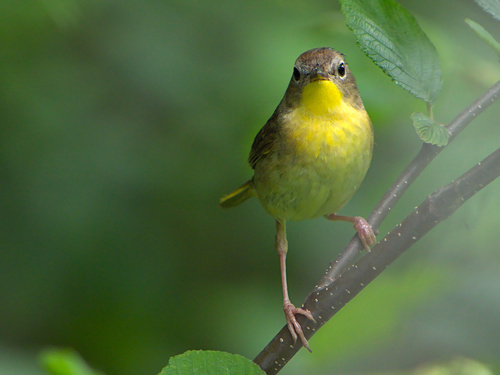 Mascarita Común
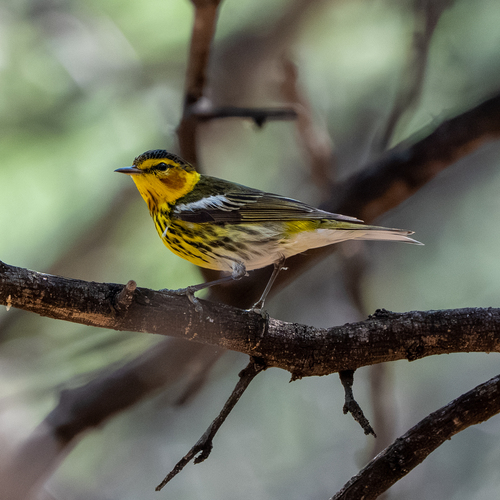 Reinita Atigrada
En breve
La Mascarita Común y la Reinita Atigrada se pueden distinguir por su plumaje y preferencias de hábitat. La Mascarita Común típicamente tiene una parte inferior amarilla más uniforme, mientras que la Reinita Atigrada presenta un distintivo pecho amarillo con rayas negras y parches de oído castaños. El hábitat también puede ser una pista, ya que la Reinita Atigrada a menudo se asocia con brotes de orugas de abeto.
Consejos de identificación
Busca las rayas negras en el pecho amarillo y los parches de oído castaños de la Reinita Atigrada. La Mascarita Común carece de estas características y tiene partes inferiores amarillas más uniformes. Considera el hábitat: las Reinitas Atigradas a menudo se encuentran en bosques de coníferas durante los brotes de orugas de abeto.
Plumaje
La Mascarita Común generalmente tiene una parte inferior amarilla sencilla, mientras que la Reinita Atigrada muestra un pecho amarillo con rayas negras, una rabadilla amarilla y parches de oído castaños. Las hembras y las Reinitas Atigradas inmaduras son menos coloridas, pero aún muestran rayas.
Hábitat
La Reinita Atigrada se encuentra a menudo en áreas con brotes de orugas de abeto, lo que sugiere una preferencia por los bosques de coníferas. En contraste, la Mascarita Común es más amplia y se puede encontrar en una variedad de hábitats.