
Herrerillo Capuchino vs Herrerillo Común
Lophophanes cristatus frente a Cyanistes caeruleus
Juega un quiz con Herrerillo Capuchino y Herrerillo Común
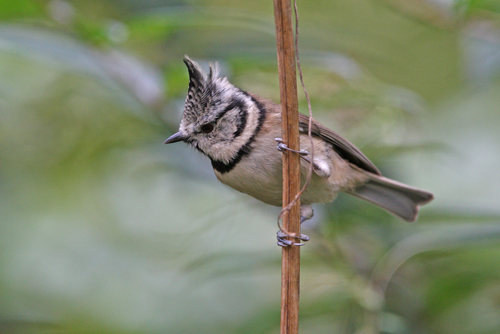 Herrerillo Capuchino
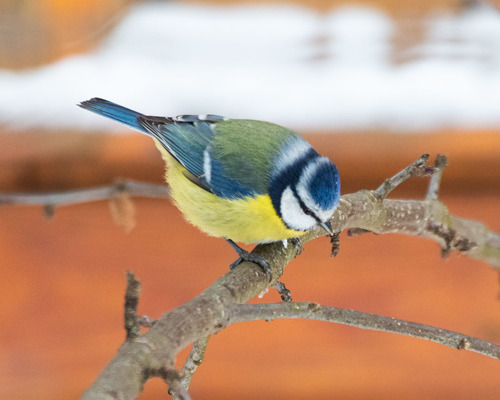 Herrerillo Común
En breve
El Herrerillo Capuchino se distingue por su prominente cresta, que el Herrerillo Común no tiene. El Herrerillo Común es más colorido, con una brillante gorra azul y partes inferiores amarillas, mientras que el Herrerillo Capuchino tiene un plumaje más sobrio en tonos marrones y blancos. Ambas especies se pueden encontrar en bosques, pero su plumaje y cresta son diferenciadores clave.
Consejos de identificación
- Busca la cresta en el Herrerillo Capuchino, ausente en el Herrerillo Común.
- Nota la brillante gorra azul y las partes inferiores amarillas del Herrerillo Común.
- Observa el plumaje marrón y blanco del Herrerillo Capuchino.
- Ambas especies se encuentran en hábitats forestales, pero el Herrerillo Común es más probable que esté en jardines y parques.
Plumaje
El Herrerillo Capuchino tiene una cresta distintiva negra y blanca y un plumaje generalmente marrón y blanco. En contraste, el Herrerillo Común presenta una brillante gorra azul, alas y cola, con partes inferiores amarillas y una cara blanca con una franja oscura alrededor del ojo.
Hábitat
Ambas especies habitan en bosques, pero el Herrerillo Común se encuentra más comúnmente en bosques deciduos de tierras bajas y submontanos, parques y jardines.
Herrerillo Capuchino · Herrerillo Común · Mis aves difíciles