
chapim-de-poupa vs chapim-azul
Lophophanes cristatus versus Cyanistes caeruleus
Jogue um quiz com chapim-de-poupa e chapim-azul
 chapim-de-poupa
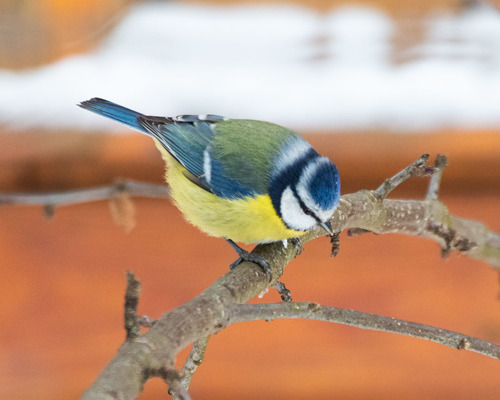 chapim-azul
Em resumo
O chapim-de-poupa é distinguido por sua crista proeminente, que o chapim-azul não possui. O chapim-azul é mais colorido, com um boné azul brilhante e partes inferiores amarelas, enquanto o chapim-de-poupa tem uma plumagem mais discreta, em tons de marrom e branco. Ambas as espécies podem ser encontradas em florestas, mas sua plumagem e crista são diferenciais chave.
Dicas de identificação
- Procure pela crista no chapim-de-poupa, ausente no chapim-azul.
- Note o boné azul brilhante e as partes inferiores amarelas do chapim-azul.
- Observe a plumagem marrom e branca do chapim-de-poupa.
- Ambas as espécies são encontradas em habitats florestais, mas o chapim-azul é mais provável de ser visto em jardins e parques.
Plumagem
O chapim-de-poupa tem uma crista distinta preta e branca e uma plumagem geralmente marrom e branca. Em contraste, o chapim-azul apresenta um boné azul brilhante, asas e cauda, com partes inferiores amarelas e um rosto branco com uma faixa escura ao redor dos olhos.
Habitat
Ambas as espécies habitam florestas, mas o chapim-azul é mais comumente encontrado em florestas decíduas de planície e submontanas, parques e jardins.