
Semillero Gorjioscuro vs Semillero Palustre
Sporophila ruficollis frente a Sporophila palustris
Juega un quiz con Semillero Gorjioscuro y Semillero Palustre
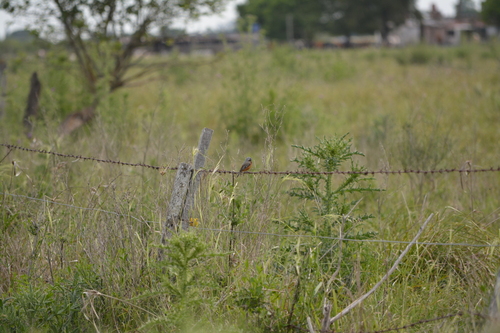 Semillero Gorjioscuro
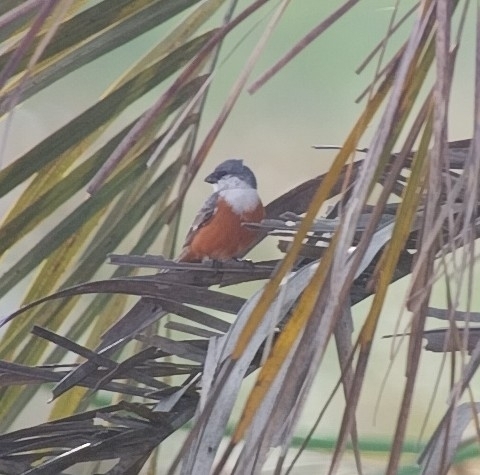 Semillero Palustre
En breve
El Semillero Gorjioscuro se identifica mejor por su rico color marrón oxidado en la garganta y el pecho superior, contrastando con su vientre castaño y partes superiores grises. En contraste, el Semillero Palustre tiene una garganta y un pecho superior blancos y audaces y contrastantes, con partes inferiores castañas y una gorra y partes superiores de color gris pálido.
Consejos de identificación
- Busca el color de la garganta: marrón oxidado en Semillero Gorjioscuro vs. blanco en Semillero Palustre. 2. Revisa el culete: castaño en Semillero Palustre. 3. Considera el hábitat: Semillero Palustre es más probable que se encuentre en pantanos.
Plumaje
El macho Semillero Gorjioscuro tiene una rica garganta y pecho superior de color marrón oxidado, mientras que el Semillero Palustre presenta una garganta y un pecho superior de color blanco llamativo. Ambos tienen partes inferiores castañas, pero el Semillero Palustre también tiene un culete castaño. Las partes superiores de ambas especies son grises, pero la gorra del Semillero Palustre es de color gris pálido.
Hábitat
El Semillero Palustre es un especialista de los humedales, a menudo encontrado cantando desde plantas altas en zonas húmedas, mientras que el Semillero Gorjioscuro es más probable que se encuentre en bandadas de especies mixtas durante la migración.
Semillero Gorjioscuro · Semillero Palustre · Mis aves difíciles