Birdr

Pibí Oriental vs Ocotero

Contopus virens frente a Peucedramus taeniatus

Juega un quiz con Pibí Oriental y Ocotero
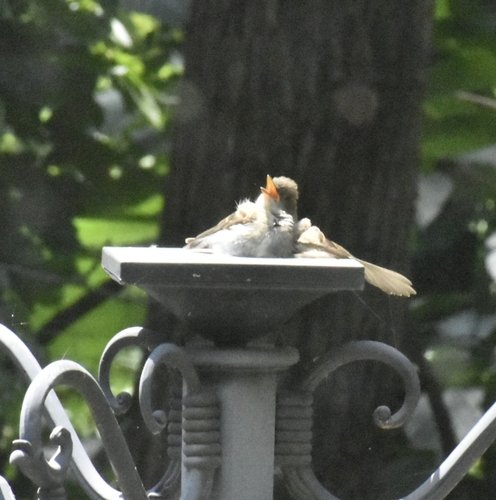
Pibí Oriental (Contopus virens) Pibí Oriental
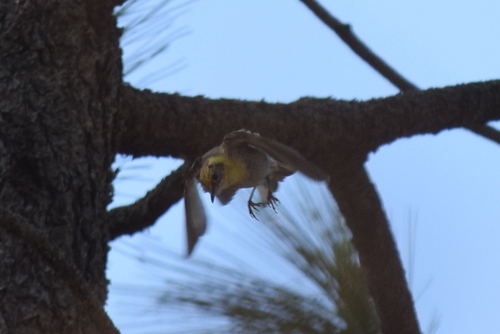
Ocotero (Peucedramus taeniatus) Ocotero

Medios

Cargando…

En breve

El Pibí Oriental y el Ocotero son distintos tanto en estructura como en hábitat. El Pibí Oriental es un atrapamoscas con una postura más erguida y un pico delgado, mientras que el Ocotero es un pequeño pájaro cantor con un cuerpo más redondeado y un pico más grueso. Ocupan hábitats diferentes, con el pibí favoreciendo los bosques abiertos y el ocotero residiendo en las copas altas de pinos.

Consejos de identificación

Busca la postura erguida del Pibí Oriental y su pico delgado cuando esté posado. El plumaje más vibrante del Ocotero y su preferencia por forrajear en la alta copa son distinciones clave.

Tamaño

El Pibí Oriental es generalmente más esbelto con una cola más larga en comparación con el más compacto Ocotero.

Plumaje

El Pibí Oriental tiene un plumaje más apagado con tonos grisáceos-oliva, mientras que el Ocotero es más vibrante, mostrando a menudo tonos oliva y amarillentos.

Comportamiento

Los Pibíes Orientales a menudo se ven saltando de posaderos para atrapar insectos, mientras que los Ocoteros son más propensos a ser vistos forrajeando activamente en la alta copa.

Hábitat

Los Pibíes Orientales se encuentran en bosques abiertos, mientras que los Ocoteros se encuentran típicamente en las copas altas de pinos.

Enviar una descripción mejor

Usa las mismas secciones que la comparación. El texto se publica al momento.

The Eastern Wood-Pewee and Olive Warbler are distinct in both structure and habitat. The Eastern Wood-Pewee is a flycatcher with a more upright posture and a thin bill, while the Olive Warbler is a small songbird with a more rounded body and a thicker bill. They occupy different habitats, with the pewee favoring open woodlands and the warbler residing in high pine canopies.

Look for the Eastern Wood-Pewee's upright posture and thin bill when perched. The Olive Warbler's more vibrant plumage and preference for high canopy foraging are key distinctions.

The Eastern Wood-Pewee is generally more slender with a longer tail compared to the more compact Olive Warbler.

The Eastern Wood-Pewee has a more muted plumage with grayish-olive tones, while the Olive Warbler is more vibrant, often showing olive and yellowish tones.

Eastern Wood-Pewees are often seen sallying from perches to catch insects, whereas Olive Warblers are more likely to be seen foraging actively in the high canopy.

Eastern Wood-Pewees are found in open woodlands, while Olive Warblers are typically found in high pine canopies.

¿Descartar los cambios?

Tienes ediciones sin guardar. Si sales ahora, se perderán.

Pibí Oriental · Ocotero · Mis aves difíciles