
Petirrojo Europeo vs Ruiseñor Pechiazul
Erithacus rubecula frente a Luscinia svecica
Juega un quiz con Petirrojo Europeo y Ruiseñor Pechiazul
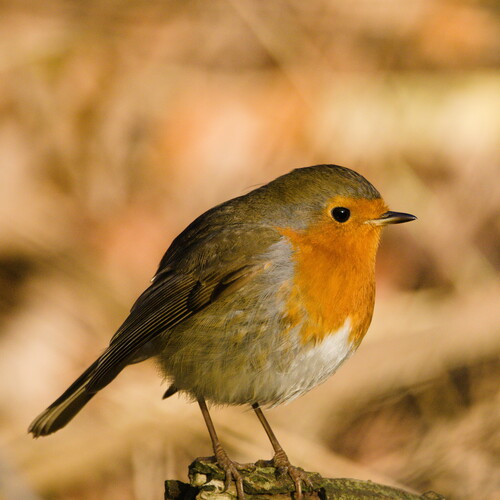 Petirrojo Europeo
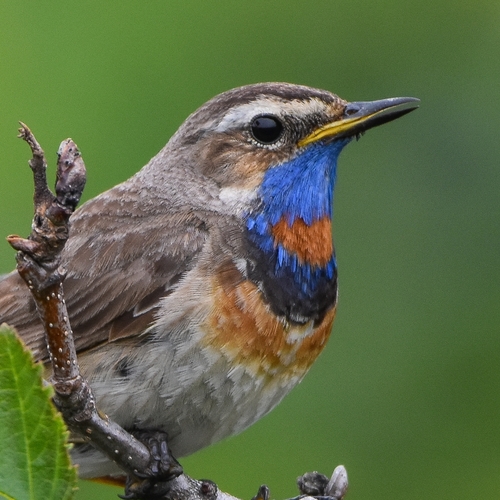 Ruiseñor Pechiazul
En breve
El Petirrojo Europeo y el Ruiseñor Pechiazul se pueden distinguir por su plumaje y comportamiento. El Petirrojo tiene una cara y un pecho de color naranja-rufoso distintivos, mientras que el Ruiseñor Pechiazul presenta una garganta azul llamativa con una mancha central. Ambas especies exhiben diferentes comportamientos de forrajeo y preferencias de hábitat.
Consejos de identificación
Busque la cara y el pecho naranja-rufoso del Petirrojo Europeo frente a la garganta azul con una mancha central del Ruiseñor Pechiazul. Observe el comportamiento de forrajeo: los Petirrojos pueden ser vistos acompañando a los jardineros, lo cual es menos típico en los Ruiseñores Pechiazules.
Plumaje
El Petirrojo Europeo se caracteriza por su cara y pecho de color naranja-rufoso, contrastando con sus flancos de color marrón más oscuro. En contraste, el Ruiseñor Pechiazul tiene una garganta azul llamativa con una mancha central, que puede ser roja o blanca dependiendo de la subespecie.
Comportamiento
Los Petirrojos Europeos a menudo forrajean utilizando la caza de posarse y saltar desde postes bajos o saltando por el suelo a través de la cobertura. También se les conoce por acompañar a los jardineros. Los Ruiseñores Pechiazules son menos propensos a exhibir este comportamiento.
Voz
La canción del Petirrojo Europeo es una mezcla compleja de trinos altos y plateados y notas que se desvanecen, cantadas principalmente por machos en primavera y verano. Las vocalizaciones del Ruiseñor Pechiazul no se detallan aquí.