Birdr

European Robin vs Bluethroat

Erithacus rubecula versus Luscinia svecica

Play a quiz with European Robin and Bluethroat
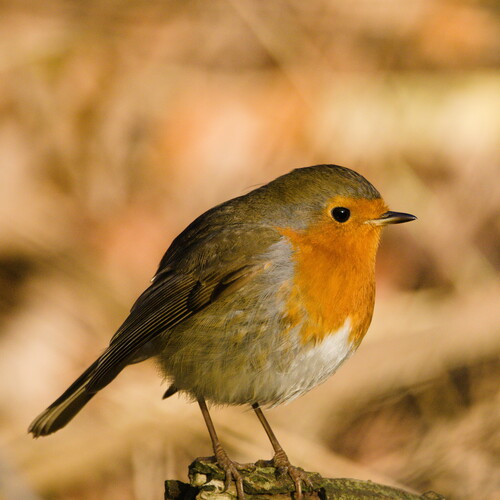
European Robin (Erithacus rubecula) European Robin
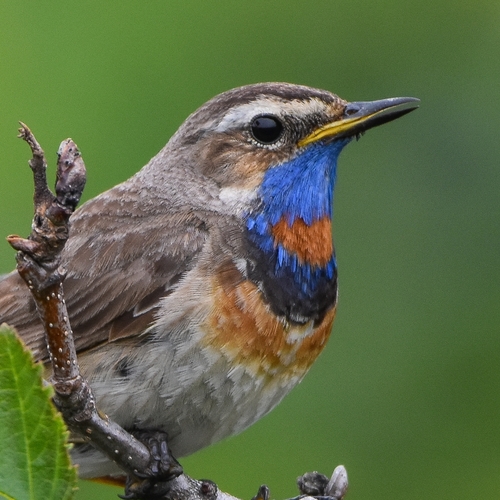
Bluethroat (Luscinia svecica) Bluethroat

Media

Loading…

In short

The European Robin and Bluethroat are both small, colorful birds, but they can be distinguished by their throat and breast patterns. The Robin has a uniform orange-red face and breast, while the Bluethroat features a striking blue throat with a central spot, which can be red or white depending on the subspecies.

Identification tips

  1. Throat and breast pattern: Look for the Robin's uniform orange-red versus the Bluethroat's blue throat with a central spot. 2. Habitat: Consider the environment; Bluethroats favor wetter areas. 3. Song: Listen for the Robin's silvery warble compared to the Bluethroat's varied song with mimicry. 4. Behavior: Note the Robin's ground-hopping versus the Bluethroat's secretive nature.

Size

Both species are similar in size, but the Bluethroat may appear slightly larger due to its longer tail.

Plumage

European Robins have a bright orange-red face and breast, contrasting with their grey-brown upperparts. Bluethroats have a blue throat with a central spot, bordered by black and rust-colored bands, and a more varied back coloration depending on the subspecies.

Behaviour

Robins are often seen hopping on the ground or perching low, while Bluethroats are more secretive, often skulking in dense vegetation but occasionally seen singing from exposed perches during the breeding season.

Habitat

Robins are versatile, found in gardens, parks, and forests. Bluethroats prefer wet habitats like marshes and reed beds, especially during the breeding season.

Voice

The Robin's song is a silvery warble, while the Bluethroat's song is more varied and includes mimicry. Both species sing prominently during the breeding season.

Submit a better description

Use the same sections as the comparison. Your text is published immediately.

The European Robin and Bluethroat are both small, colorful birds, but they can be distinguished by their throat and breast patterns. The Robin has a uniform orange-red face and breast, while the Bluethroat features a striking blue throat with a central spot, which can be red or white depending on the subspecies.

  1. Throat and breast pattern: Look for the Robin's uniform orange-red versus the Bluethroat's blue throat with a central spot. 2. Habitat: Consider the environment; Bluethroats favor wetter areas. 3. Song: Listen for the Robin's silvery warble compared to the Bluethroat's varied song with mimicry. 4. Behavior: Note the Robin's ground-hopping versus the Bluethroat's secretive nature.

Both species are similar in size, but the Bluethroat may appear slightly larger due to its longer tail.

European Robins have a bright orange-red face and breast, contrasting with their grey-brown upperparts. Bluethroats have a blue throat with a central spot, bordered by black and rust-colored bands, and a more varied back coloration depending on the subspecies.

Robins are often seen hopping on the ground or perching low, while Bluethroats are more secretive, often skulking in dense vegetation but occasionally seen singing from exposed perches during the breeding season.

Robins are versatile, found in gardens, parks, and forests. Bluethroats prefer wet habitats like marshes and reed beds, especially during the breeding season.

The Robin's song is a silvery warble, while the Bluethroat's song is more varied and includes mimicry. Both species sing prominently during the breeding season.

Discard your changes?

You have unsaved edits. If you leave now, those changes will be lost.

European Robin · Bluethroat · My Tricky Birds