
Vencejillo Tijereta vs Trogón Dorsiverde
Tachornis squamata frente a Trogon viridis
Juega un quiz con Vencejillo Tijereta y Trogón Dorsiverde
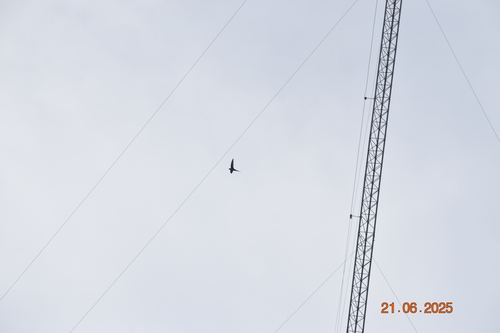 Vencejillo Tijereta
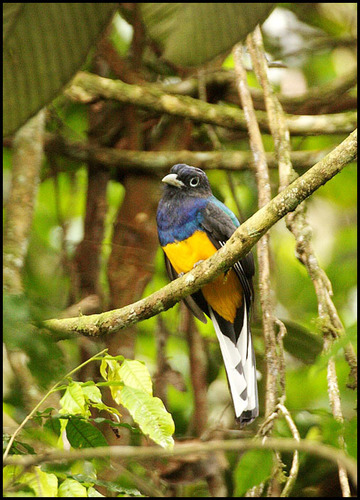 Trogón Dorsiverde
En breve
El Vencejillo Tijereta y el Trogón Dorsiverde se distinguen fácilmente por su tamaño y plumaje. El vencejillo es un ave pequeña y esbelta con una cola bifurcada, mientras que el trogón es más grande con un llamativo dorso verde y partes inferiores coloridas. Observar su comportamiento y hábitats preferidos también puede ayudar en la identificación.
Consejos de identificación
Busque la cola bifurcada del vencejillo y su vuelo ágil en áreas abiertas, en contraste con el dorso verde vibrante del trogón y su comportamiento más estacionario en hábitats forestales.
Tamaño
El Vencejillo Tijereta es mucho más pequeño y esbelto que el Trogón Dorsiverde.
Plumaje
El Vencejillo Tijereta tiene una coloración más uniforme, principalmente parda o gris, con una cola bifurcada distintiva. En contraste, el Trogón Dorsiverde tiene un dorso verde iridiscente vibrante, una rabadilla azulada y un vientre amarillo-naranja. Los machos tienen mejillas y garganta negras, mientras que las hembras son más apagadas con gris reemplazando los tonos verdes y azules.
Comportamiento
Los Vencejillos Tijereta son voladores ágiles, a menudo vistos en patrones de vuelo rápidos y erráticos. Los Trogones Dorsiverde son más sedentarios, a menudo posándose en silencio en el bosque.
Hábitat
Los Vencejillos Tijereta se encuentran típicamente en áreas abiertas con palmas, mientras que los Trogones Dorsiverde habitan áreas boscosas, incluyendo crecimiento secundario.
Vencejillo Tijereta · Trogón Dorsiverde · Mis aves difíciles