
andorinhão-do-buriti vs surucuá-de-barriga-amarela
Tachornis squamata versus Trogon viridis
Jogue um quiz com andorinhão-do-buriti e surucuá-de-barriga-amarela
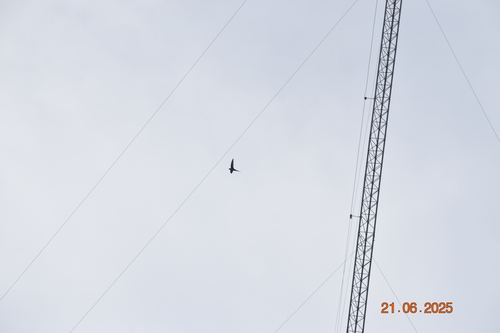 andorinhão-do-buriti
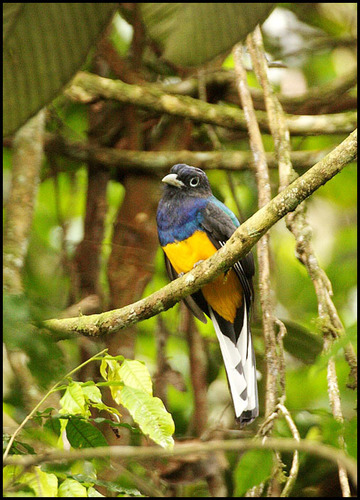 surucuá-de-barriga-amarela
Em resumo
O andorinhão-do-buriti e a surucuá-de-barriga-amarela são facilmente distinguidos pelo seu tamanho e plumagem. O andorinhão é um pássaro pequeno e esguio com uma cauda bifurcada, enquanto a surucuá é maior, com um impressionante dorso verde e partes inferiores coloridas. Observar seu comportamento e habitats preferidos também pode ajudar na identificação.
Dicas de identificação
Procure pela cauda bifurcada do andorinhão e seu voo ágil em áreas abertas, em contraste com o dorso verde vibrante da surucuá e seu comportamento mais estacionário em habitats florestais.
Tamanho
O andorinhão-do-buriti é muito menor e mais esguio do que a surucuá-de-barriga-amarela.
Plumagem
O andorinhão-do-buriti tem uma coloração mais uniforme, principalmente acastanhada ou cinza, com uma cauda bifurcada distinta. Em contraste, a surucuá-de-barriga-amarela tem um dorso verde iridescente vibrante, um rabo azul-púrpura e uma barriga laranja-amarelada. Os machos têm bochechas e garganta pretas, enquanto as fêmeas são mais apagadas, com cinza substituindo os tons verdes e azuis.
Comportamento
Os andorinhões-do-buriti são voadores ágeis, frequentemente vistos em padrões de voo rápidos e erráticos. As surucuás-de-barriga-amarela são mais sedentárias, frequentemente empoleirando-se silenciosamente na floresta.
Habitat
Os andorinhões-do-buriti são tipicamente encontrados em áreas abertas com palmeiras, enquanto as surucuás-de-barriga-amarela habitam áreas florestais, incluindo o segundo crescimento.
andorinhão-do-buriti · surucuá-de-barriga-amarela · Minhas aves difíceis