
Zorzal Dorsigrís vs Roquero Solitario
Turdus hortulorum frente a Monticola solitarius
Juega un quiz con Zorzal Dorsigrís y Roquero Solitario
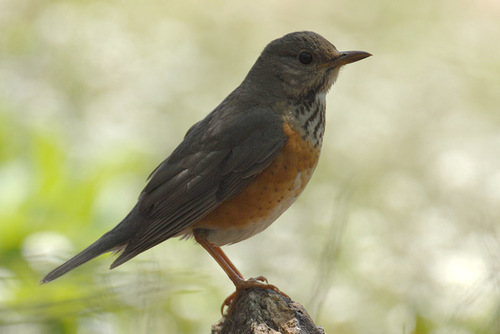 Zorzal Dorsigrís
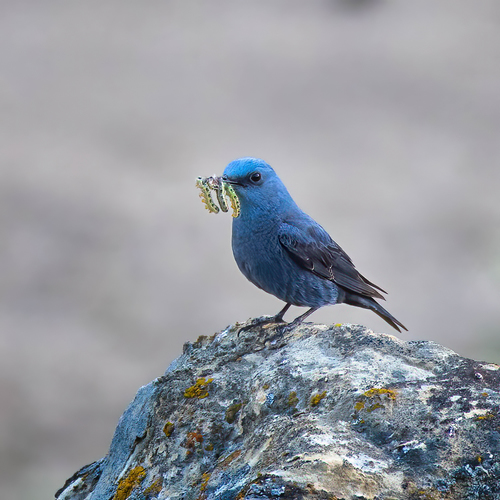 Roquero Solitario
En breve
El Zorzal Dorsigrís y el Roquero Solitario se pueden distinguir principalmente por sus preferencias de hábitat y plumaje. El Zorzal Dorsigrís habita típicamente en áreas boscosas, mientras que el Roquero Solitario se encuentra más a menudo en paisajes rocosos y abiertos. En términos de plumaje, el Zorzal Dorsigrís tiene una distintiva espalda gris, mientras que el Roquero Solitario muestra una coloración azul más uniforme, especialmente en los machos.
Consejos de identificación
1. Hábitat: Busca el Zorzal Dorsigrís en bosques y el Roquero Solitario en áreas rocosas y abiertas. 2. Plumaje: Nota la espalda gris del Zorzal Dorsigrís frente a la coloración azul del Roquero Solitario, especialmente en los machos.
Plumaje
El Zorzal Dorsigrís presenta una espalda gris, que contrasta con sus partes inferiores más claras. En contraste, el Roquero Solitario, particularmente el macho, tiene una coloración azul más uniforme en todo su cuerpo. Las hembras y los juveniles del Roquero Solitario pueden parecer más marrones, pero aún carecen de la distintiva espalda gris del Zorzal Dorsigrís.
Hábitat
El Zorzal Dorsigrís se encuentra típicamente en áreas boscosas, mientras que el Roquero Solitario prefiere paisajes rocosos y abiertos como acantilados y laderas montañosas.