Birdr

Pijuí Ceniciento vs Pijuí Cenizo

Synallaxis cinerascens frente a Synallaxis hypospodia

Juega un quiz con Pijuí Ceniciento y Pijuí Cenizo
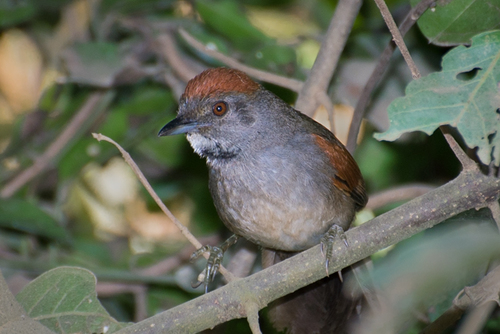
Pijuí Ceniciento (Synallaxis cinerascens) Pijuí Ceniciento
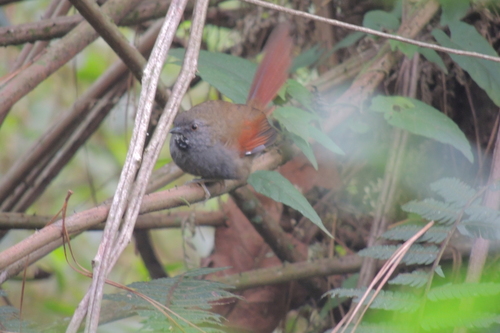
Pijuí Cenizo (Synallaxis hypospodia) Pijuí Cenizo

Medios

Cargando…

En breve

El Pijuí Ceniciento y el Pijuí Cenizo se pueden diferenciar por sus preferencias de hábitat y vocalizaciones. El Pijuí Ceniciento se encuentra en el sotobosque de bosques más altos, mientras que el Pijuí Cenizo habita en pastizales y sabanas estacionalmente húmedos. Sus vocalizaciones también son distintas, con el Pijuí Cenizo teniendo un llamado fuerte y parloteante.

Consejos de identificación

El hábitat es un diferenciador clave: busque Pijuí Cenicientos en el sotobosque del bosque y Pijuí Cenizos en pastizales o sabanas. Las vocalizaciones también pueden ayudar: escuche el fuerte llamado parloteante del Pijuí Cenizo. Las diferencias en el plumaje incluyen la corona y alas rufo del Pijuí Cenizo frente al gris apagado del Pijuí Ceniciento.

Plumaje

El Pijuí Ceniciento tiene un plumaje gris apagado con una pequeña marca de garganta negruzca y un mentón blanquecino. En contraste, el Pijuí Cenizo presenta una corona y alas rufo, partes superiores marrones, partes inferiores mayormente grises y una mancha oscura en la garganta.

Comportamiento

Ambas especies son típicamente secretivas y pueden ser detectadas por sus vocalizaciones. El Pijuí Cenizo se ve a menudo en parejas, forrajeando cerca del suelo.

Hábitat

El Pijuí Ceniciento se encuentra en el sotobosque de bosques más altos, incluyendo el segundo crecimiento, dentro de la región de la Selva Atlántica. El Pijuí Cenizo prefiere pastizales estacionalmente húmedos bajos, matorrales de segundo crecimiento y sabanas.

Voz

Las vocalizaciones del Pijuí Ceniciento no están detalladas, pero se nota que es secreto. El Pijuí Cenizo tiene un llamado distintivo fuerte y parloteante que se acelera al final.

Enviar una descripción mejor

Usa las mismas secciones que la comparación. El texto se publica al momento.

The Grey-bellied Spinetail and the Cinereous-breasted Spinetail can be differentiated by their habitat preferences and vocalizations. The Grey-bellied Spinetail is found in the undergrowth of taller forests, while the Cinereous-breasted Spinetail inhabits seasonally wet grasslands and savannas. Their vocalizations are also distinct, with the Cinereous-breasted Spinetail having a loud, chattering call.

Habitat is a key differentiator: look for Grey-bellied Spinetails in forest undergrowth and Cinereous-breasted Spinetails in grasslands or savannas. Vocalizations can also help: listen for the Cinereous-breasted Spinetail's loud, chattering call. Plumage differences include the rufous crown and wings of the Cinereous-breasted Spinetail versus the dull gray of the Grey-bellied Spinetail.

The Grey-bellied Spinetail has a dull gray plumage with a small blackish throat mark and a whitish chin. In contrast, the Cinereous-breasted Spinetail features a rufous crown and wings, brown upperparts, largely gray underparts, and a dark throat patch.

Both species are typically secretive and may be detected by their vocalizations. The Cinereous-breasted Spinetail is often seen in pairs, foraging close to the ground.

The Grey-bellied Spinetail is found in the undergrowth of taller forests, including second growth, within the Atlantic Forest region. The Cinereous-breasted Spinetail prefers low seasonally wet grasslands, second-growth scrub, and savannas.

The Grey-bellied Spinetail's vocalizations are not detailed, but it is noted for being secretive. The Cinereous-breasted Spinetail has a distinctive loud, chattering call that accelerates at the end.

¿Descartar los cambios?

Tienes ediciones sin guardar. Si sales ahora, se perderán.

Pijuí Ceniciento · Pijuí Cenizo · Mis aves difíciles