
Grévol Común vs Urogallo Común
Tetrastes bonasia frente a Tetrao urogallus
Juega un quiz con Grévol Común y Urogallo Común
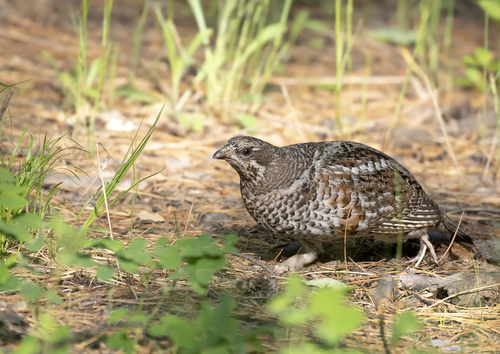 Grévol Común
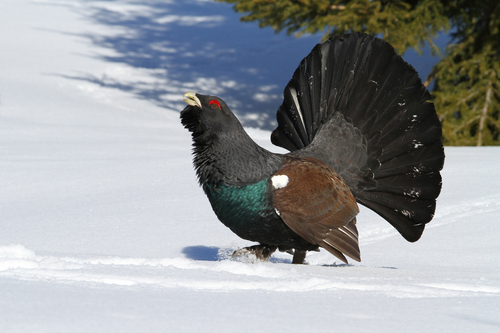 Urogallo Común
En breve
El Urogallo Común es significativamente más grande que el Grévol Común, lo que hace que el tamaño sea la marca de campo más confiable. Mientras que ambas especies habitan en bosques de coníferas, el Urogallo es más probable que se encuentre en bosques más grandes y maduros, mientras que el Grévol Común prefiere un crecimiento más denso y joven.
Consejos de identificación
- Tamaño: El Urogallo Común es significativamente más grande que el Grévol Común.
- Hábitat: Busca el Grévol Común en bosques más densos y jóvenes, mientras que el Urogallo prefiere bosques maduros.
Tamaño
El Urogallo Común es mucho más grande que el Grévol Común, con una construcción más robusta.
Hábitat
Ambas especies se encuentran en bosques de coníferas, pero el Urogallo Común prefiere bosques más grandes y maduros, mientras que el Grévol Común se encuentra a menudo en un crecimiento más denso y joven.