
Chotacabras Macruro vs Torillo Batallador
Caprimulgus macrurus frente a Turnix suscitator
Juega un quiz con Chotacabras Macruro y Torillo Batallador
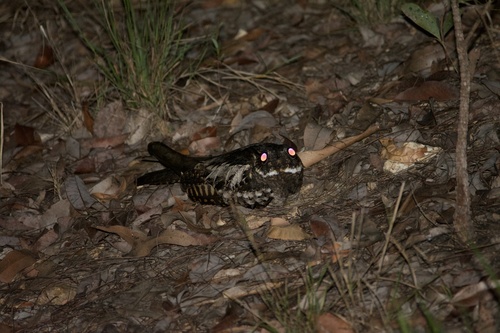 Chotacabras Macruro
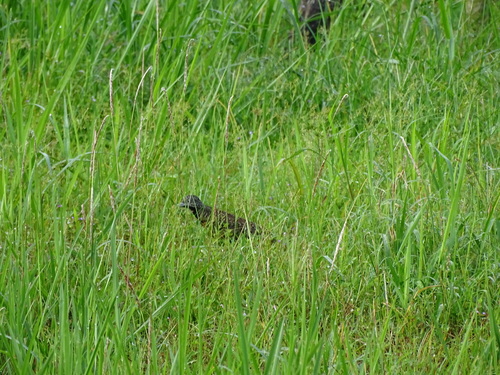 Torillo Batallador
En breve
El Chotacabras Macruro y el Torillo Batallador son distintos tanto en apariencia como en comportamiento. El chotacabras es un ave nocturna con un plumaje críptico y una cola larga, mientras que el torillo es un ave terrestre con un cuerpo más redondeado y una cola corta. Observar sus patrones de actividad y estructura corporal ayudará a diferenciarlos.
Consejos de identificación
- Busca la cola larga y el comportamiento nocturno del Chotacabras Macruro.
- Nota el cuerpo redondeado y los hábitos terrestres del Torillo Batallador.
- Observa el tiempo de actividad: los chotacabras son activos por la noche, los torillos durante el día.
Tamaño
El Chotacabras Macruro es generalmente más grande y más alargado en comparación con el más pequeño y redondeado Torillo Batallador.
Plumaje
El Chotacabras Macruro tiene un plumaje críptico y moteado adecuado para el camuflaje, mientras que el Torillo Batallador tiene un patrón más uniforme y barrado.
Comportamiento
El chotacabras es nocturno y a menudo se le ve posado o en vuelo al anochecer, mientras que el torillo es diurno y típicamente forrajea en el suelo.
Hábitat
El Chotacabras Macruro se encuentra a menudo en bosques y áreas abiertas, mientras que el Torillo Batallador prefiere praderas y áreas arbustivas.
Chotacabras Macruro · Torillo Batallador · Mis aves difíciles