
Chingolo Albinegro vs Chingolo Arbóreo
Calamospiza melanocorys frente a Spizelloides arborea
Juega un quiz con Chingolo Albinegro y Chingolo Arbóreo
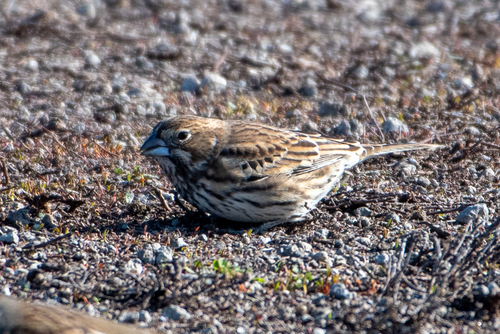 Chingolo Albinegro
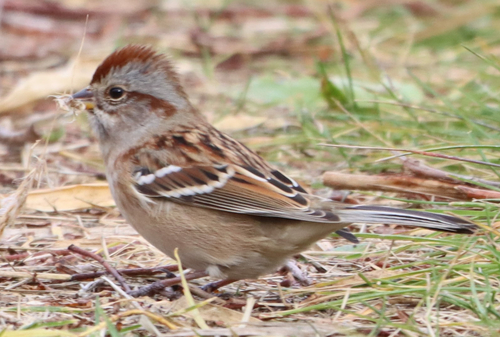 Chingolo Arbóreo
En breve
Los Chingolos Albinegros y los Chingolos Arbóreos se pueden distinguir por su plumaje y comportamiento. El macho del Chingolo Albinegro tiene un plumaje alternativo negro y blanco llamativo durante la temporada de cría, mientras que el Chingolo Arbóreo tiene una apariencia más sutil de tonos marrones y grises durante todo el año. Comportamentalmente, los Chingolos Albinegros son nómadas en invierno, formando grandes bandadas, mientras que los Chingolos Arbóreos son más solitarios o se encuentran en pequeños grupos.
Consejos de identificación
- Plumaje: Busca el plumaje de cría negro y blanco del Chingolo Albinegro en los machos.
- Comportamiento: Observa el comportamiento de agrupamiento; los Chingolos Albinegros forman grandes bandadas en invierno, a diferencia del más solitario Chingolo Arbóreo.
- Hábitat: Nota el hábitat; los Chingolos Albinegros prefieren las praderas, mientras que los Chingolos Arbóreos se encuentran en áreas arbustivas.
Plumaje
Los machos del Chingolo Albinegro en la temporada de cría exhiben un plumaje audaz negro y blanco, en contraste con los tonos marrones y grises consistentes del Chingolo Arbóreo, que tiene una distintiva gorra oxidada y una mancha oscura en el pecho.
Comportamiento
Los Chingolos Albinegros son nómadas en invierno, a menudo formando grandes bandadas, mientras que los Chingolos Arbóreos son más solitarios o se encuentran en pequeños grupos.
Hábitat
Los Chingolos Albinegros están asociados con praderas y se adaptan a hábitats alterados por humanos, mientras que los Chingolos Arbóreos se encuentran típicamente en áreas abiertas, arbustivas y bordes de bosques.
Voz
Los Chingolos Albinegros tienen dos canciones de vuelo distintas, mientras que las canciones del Chingolo Arbóreo no están especificadas en las notas.