
Zampullín Común vs Somormujo Cuellirrojo
Tachybaptus ruficollis frente a Podiceps grisegena
Juega un quiz con Zampullín Común y Somormujo Cuellirrojo
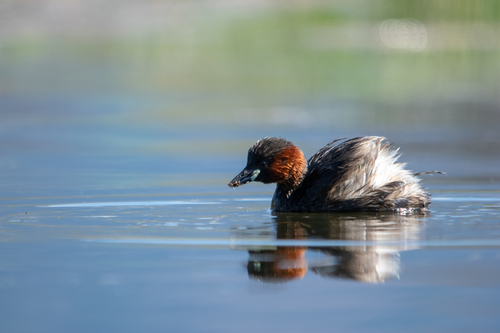 Zampullín Común
 Somormujo Cuellirrojo
En breve
El Zampullín Común y el Somormujo Cuellirrojo se pueden distinguir por su tamaño y plumaje. El Zampullín Común es mucho más pequeño y tiene una apariencia más compacta, mientras que el Somormujo Cuellirrojo es más grande, con un pico robusto y un cuello rojo distintivo durante la temporada de cría.
Consejos de identificación
- Tamaño: El Zampullín Común es mucho más pequeño que el Somormujo Cuellirrojo.
- Plumaje: Busca el cuello rojo del Somormujo Cuellirrojo durante la temporada de cría, que contrasta con el plumaje oscuro más uniforme del Zampullín Común.
- Comportamiento: Observa el comportamiento agresivo y territorial del Somormujo Cuellirrojo, especialmente durante la temporada de cría.
Tamaño
El Zampullín Común es significativamente más pequeño que el Somormujo Cuellirrojo, que es una especie de grebe grande.
Plumaje
El Zampullín Común tiene un plumaje oscuro más uniforme con un cuello y mejillas rufo durante la temporada de cría. El Somormujo Cuellirrojo presenta un cuello rojo llamativo y una cara pálida durante la temporada de cría, que es una diferencia clave.
Comportamiento
Los Somormujos Cuellirrojos son conocidos por su comportamiento territorial agresivo y rituales de cortejo elaborados. Los Zampullines Comunes son menos agresivos y más discretos.
Hábitat
El Zampullín Común se encuentra en una variedad de hábitats de agua dulce, mientras que el Somormujo Cuellirrojo habita aguas del norte, criando en pequeños lagos y invernando en costas del norte.
Zampullín Común · Somormujo Cuellirrojo · Mis aves difíciles