Birdr

Little Grebe vs Red-necked Grebe

Tachybaptus ruficollis versus Podiceps grisegena

Play a quiz with Little Grebe and Red-necked Grebe
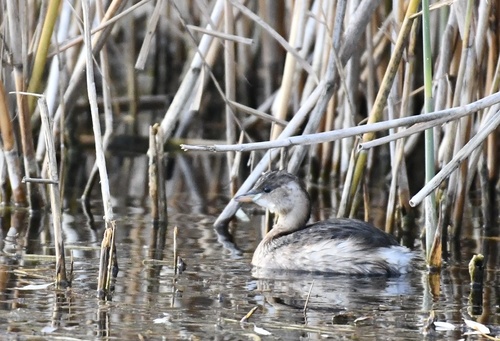
Little Grebe (Tachybaptus ruficollis) Little Grebe
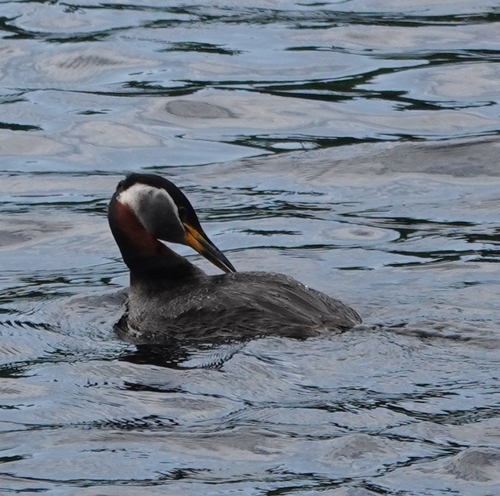
Red-necked Grebe (Podiceps grisegena) Red-necked Grebe

Media

Loading…

In short

The Little Grebe and Red-necked Grebe are both small waterbirds, but they differ significantly in size and plumage. The Little Grebe is much smaller with a distinctive rufous neck in breeding plumage, while the Red-necked Grebe is larger with a robust bill and a more extensive red neck patch.

Identification tips

  1. Size: The Little Grebe is much smaller. 2. Bill: The Red-necked Grebe has a robust bill. 3. Neck Color: Look for the rufous neck on the Little Grebe versus the extensive red neck of the Red-necked Grebe. 4. Behavior: Note the aggressive and territorial behavior of the Red-necked Grebe. 5. Habitat: Consider the size of the water body; Red-necked Grebes are on larger bodies of water.

Size

The Little Grebe is significantly smaller than the Red-necked Grebe, which is a large grebe species.

Plumage

In breeding plumage, the Little Grebe has a rufous neck and a dark cap, while the Red-necked Grebe has a more extensive red neck and a contrasting white face patch.

Behaviour

The Red-necked Grebe is known for its aggressive territorial behavior and elaborate courtship rituals, often seen diving and swimming. The Little Grebe is more discreet, often diving quickly when disturbed.

Habitat

The Little Grebe is found on smaller, often vegetated water bodies, while the Red-necked Grebe prefers larger lakes and coastal waters, especially during winter.

Voice

The Red-necked Grebe is known for its raucous calls during the breeding season, while the Little Grebe has a more subdued vocal presence.

Submit a better description

Use the same sections as the comparison. Your text is published immediately.

The Little Grebe and Red-necked Grebe are both small waterbirds, but they differ significantly in size and plumage. The Little Grebe is much smaller with a distinctive rufous neck in breeding plumage, while the Red-necked Grebe is larger with a robust bill and a more extensive red neck patch.

  1. Size: The Little Grebe is much smaller. 2. Bill: The Red-necked Grebe has a robust bill. 3. Neck Color: Look for the rufous neck on the Little Grebe versus the extensive red neck of the Red-necked Grebe. 4. Behavior: Note the aggressive and territorial behavior of the Red-necked Grebe. 5. Habitat: Consider the size of the water body; Red-necked Grebes are on larger bodies of water.

The Little Grebe is significantly smaller than the Red-necked Grebe, which is a large grebe species.

In breeding plumage, the Little Grebe has a rufous neck and a dark cap, while the Red-necked Grebe has a more extensive red neck and a contrasting white face patch.

The Red-necked Grebe is known for its aggressive territorial behavior and elaborate courtship rituals, often seen diving and swimming. The Little Grebe is more discreet, often diving quickly when disturbed.

The Little Grebe is found on smaller, often vegetated water bodies, while the Red-necked Grebe prefers larger lakes and coastal waters, especially during winter.

The Red-necked Grebe is known for its raucous calls during the breeding season, while the Little Grebe has a more subdued vocal presence.

Discard your changes?

You have unsaved edits. If you leave now, those changes will be lost.

Little Grebe · Red-necked Grebe · My Tricky Birds