
Semillero Cuelliblanco vs Semillero Ventriamarillo
Sporophila morelleti frente a Sporophila nigricollis
Juega un quiz con Semillero Cuelliblanco y Semillero Ventriamarillo
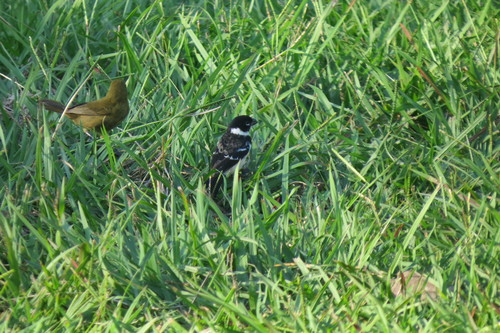 Semillero Cuelliblanco
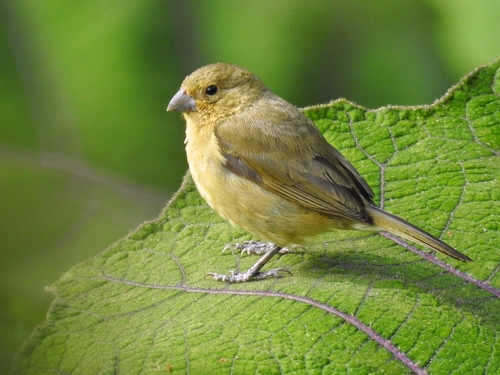 Semillero Ventriamarillo
En breve
El Semillero Cuelliblanco y el Semillero Ventriamarillo pueden ser difíciles de distinguir, especialmente entre hembras y juveniles. El macho del Semillero Cuelliblanco se identifica fácilmente por su plumaje negro y blanco conspicuo, mientras que el Semillero Ventriamarillo a menudo tiene un vientre amarillento. Ambas especies se encuentran en hábitats similares, pero sus rangos se superponen principalmente en América Central.
Consejos de identificación
Busque el distintivo plumaje negro y blanco del macho del Semillero Cuelliblanco. En rangos superpuestos, note el vientre amarillento del Semillero Ventriamarillo. Las hembras y los juveniles se identifican mejor por la ubicación y el contexto, ya que las diferencias en el plumaje son mínimas.
Plumaje
El macho del Semillero Cuelliblanco es negro y blanco, lo que lo hace distinto del Semillero Ventriamarillo, que típicamente muestra un vientre amarillento. Las hembras y los juveniles de ambas especies son similares, lo que dificulta su distinción basándose solo en el plumaje.
Comportamiento
Los machos del Semillero Cuelliblanco se observan frecuentemente cantando de marzo a octubre, mientras que las hembras son más secretivas. El comportamiento no es un diferenciador confiable entre estas especies.
Hábitat
Ambas especies habitan sabanas, pastizales y campos arbustivos, a menudo cerca del agua. Sus hábitats son similares, especialmente en regiones donde sus rangos se superponen.
Semillero Cuelliblanco · Semillero Ventriamarillo · Mis aves difíciles