
Avefría Europea vs Estornino Negro
Vanellus vanellus frente a Sturnus unicolor
Juega un quiz con Avefría Europea y Estornino Negro
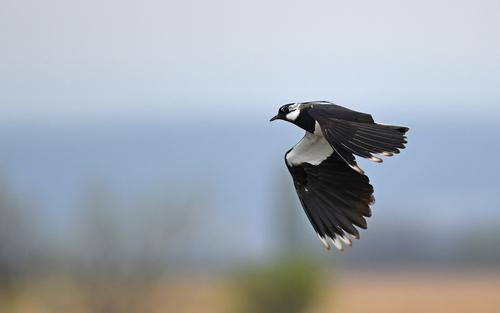 Avefría Europea
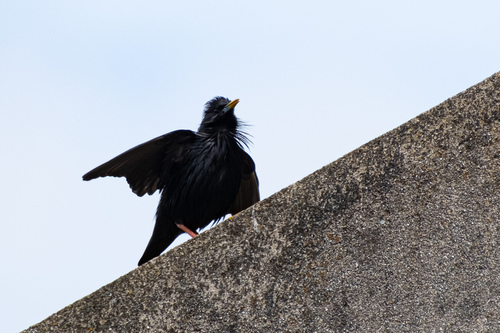 Estornino Negro
En breve
La Avefría Europea se identifica mejor por su distintiva cresta y alas anchas y redondeadas, mientras que el Estornino Negro carece de cresta y tiene un cuerpo más aerodinámico con alas puntiagudas. En vuelo, los lentos y flojos aleteos de la avefría contrastan con el vuelo rápido y directo del estornino. Ambas especies se encuentran en hábitats abiertos, pero sus comportamientos y vocalizaciones difieren significativamente.
Consejos de identificación
Busque la distintiva cresta y las alas anchas y redondeadas de la Avefría Europea, especialmente en vuelo. El plumaje negro brillante y uniforme del Estornino Negro y la falta de cresta son identificadores clave. Observe el patrón de vuelo: las avefrías tienen aleteos lentos y flojos, mientras que los estorninos vuelan rápida y directamente.
Tamaño
La Avefría Europea es generalmente más grande y robusta que el Estornino Negro.
Plumaje
La Avefría Europea tiene un llamativo brillo iridiscente verde y púrpura en su parte superior y una cara blanca con una corona y cresta negras. El Estornino Negro, como su nombre indica, es uniformemente negro brillante sin los colores contrastantes o la cresta de la avefría.
Comportamiento
Las Avefrías Europeas a menudo se ven caminando o de pie en campos abiertos, mostrando un distintivo aleteo lento en vuelo. Los Estorninos Negros son más propensos a ser observados en bandadas, a menudo forrajeando en el suelo o posados en árboles, con un patrón de vuelo rápido y directo.
Hábitat
Ambas especies se pueden encontrar en hábitats abiertos, pero las Avefrías Europeas prefieren humedales y campos agrícolas, mientras que los Estorninos Negros son más adaptables a áreas urbanas y campos abiertos.
Voz
Las Avefrías Europeas tienen un distintivo y lastimero llamado 'pee-wit', mientras que los Estorninos Negros producen un variado repertorio de silbidos y clics, a menudo imitando a otras aves.