Birdr

abibe vs estorninho-preto

Vanellus vanellus versus Sturnus unicolor

Jogue um quiz com abibe e estorninho-preto
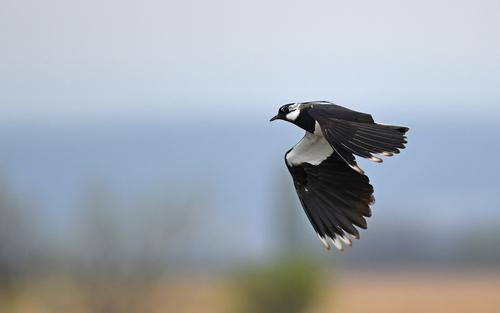
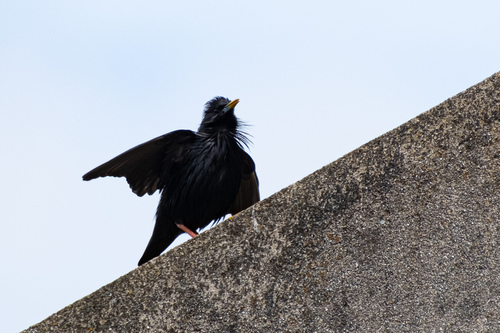
abibe (Vanellus vanellus) abibe
estorninho-preto (Sturnus unicolor) estorninho-preto

Mídia

Carregando…

Em resumo

O abibe é melhor identificado por sua crista distinta e asas largas e arredondadas, enquanto o estorninho-preto não possui crista e tem um corpo mais aerodinâmico com asas pontudas. Em voo, as batidas lentas e flácidas das asas do abibe contrastam com o voo rápido e direto do estorninho. Ambas as espécies são encontradas em habitats abertos, mas seus comportamentos e vocalizações diferem significativamente.

Dicas de identificação

Procure pela crista distinta do abibe e suas asas largas e arredondadas, especialmente em voo. O plumagem uniforme e brilhante do estorninho-preto e a falta de crista são identificadores chave. Observe o padrão de voo: abibes têm batidas lentas e flácidas, enquanto estorninhos voam rapidamente e de forma direta.

Tamanho

O abibe é geralmente maior e mais robusto que o estorninho-preto.

Plumagem

O abibe possui um impressionante brilho iridescente verde e roxo em suas partes superiores e um rosto branco com uma coroa e crista pretas. O estorninho-preto, como seu nome sugere, é uniformemente preto brilhante, sem as cores contrastantes ou crista do abibe.

Comportamento

Abibes são frequentemente vistos caminhando ou parados em campos abertos, exibindo uma batida de asas lenta e distinta em voo. Estorninhos-preto são mais propensos a serem observados em bandos, frequentemente forrageando no chão ou empoleirados em árvores, com um padrão de voo rápido e direto.

Habitat

Ambas as espécies podem ser encontradas em habitats abertos, mas abibes preferem áreas úmidas e campos agrícolas, enquanto estorninhos-preto são mais adaptáveis a áreas urbanas e campos abertos.

Voz

Abibes têm um chamado distinto e lamentoso de 'pee-wit', enquanto estorninhos-preto produzem um repertório variado de apitos e cliques, muitas vezes imitando outros pássaros.

Enviar uma descrição melhor

Use as mesmas seções da comparação. Seu texto é publicado na hora.

The Northern Lapwing is best identified by its distinctive crest and broad, rounded wings, whereas the Spotless Starling lacks a crest and has a more streamlined body with pointed wings. In flight, the lapwing's slow, floppy wingbeats contrast with the starling's rapid, direct flight. Both species are found in open habitats, but their behaviors and vocalizations differ significantly.

Look for the Northern Lapwing's distinctive crest and broad, rounded wings, especially in flight. The Spotless Starling's uniform glossy black plumage and lack of a crest are key identifiers. Observe the flight pattern: lapwings have slow, floppy wingbeats, while starlings fly rapidly and directly.

The Northern Lapwing is generally larger and bulkier than the Spotless Starling.

The Northern Lapwing has a striking iridescent green and purple sheen on its upperparts and a white face with a black crown and crest. The Spotless Starling, as its name suggests, is uniformly glossy black without the lapwing's contrasting colors or crest.

Northern Lapwings are often seen walking or standing in open fields, displaying a distinctive, slow wingbeat in flight. Spotless Starlings are more likely to be observed in flocks, often foraging on the ground or perched in trees, with a rapid, direct flight pattern.

Both species can be found in open habitats, but Northern Lapwings prefer wetlands and agricultural fields, while Spotless Starlings are more adaptable to urban areas and open countryside.

Northern Lapwings have a distinctive, plaintive 'pee-wit' call, while Spotless Starlings produce a varied repertoire of whistles and clicks, often mimicking other birds.

Descartar as alterações?

Você tem edições não salvas. Se sair agora, elas serão perdidas.

abibe · estorninho-preto · Minhas aves difíceis