
Avoceta Común vs Correlimos Zarapitín
Recurvirostra avosetta frente a Calidris ferruginea
Juega un quiz con Avoceta Común y Correlimos Zarapitín
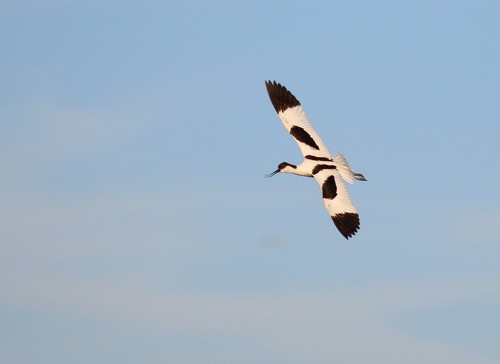 Avoceta Común
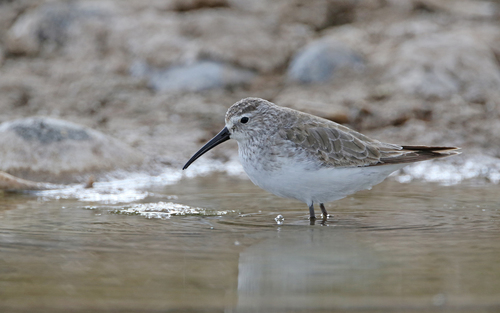 Correlimos Zarapitín
En breve
La Avoceta Común y el Correlimos Zarapitín son distintos en estructura y plumaje. La Avoceta Común tiene un patrón llamativo en blanco y negro y un pico curvado hacia arriba, mientras que el Correlimos Zarapitín tiene un color más uniforme con un pico ligeramente curvado hacia abajo. Estas diferencias son más evidentes al observar su comportamiento alimenticio y preferencias de hábitat.
Consejos de identificación
- Busca el pico curvado hacia arriba y el patrón audaz en blanco y negro de la Avoceta Común.
- Nota el pico ligeramente curvado hacia abajo y el plumaje más uniforme del Correlimos Zarapitín.
- Observa el comportamiento alimenticio: movimiento de barrido para la Avoceta, sondeo para el Zarapitín.
- Considera el hábitat: Avocetas en humedales salinos, Zarapitines en bancos de barro.
Tamaño
La Avoceta Común es más grande y robusta en comparación con el más pequeño y delicado Correlimos Zarapitín.
Plumaje
La Avoceta Común presenta un plumaje audaz en blanco y negro, mientras que el Correlimos Zarapitín tiene tonos más apagados, a menudo con un lavado rojizo durante la temporada de cría.
Comportamiento
Las Avocetas Comunes suelen alimentarse moviendo sus picos curvados hacia arriba de lado a lado en aguas poco profundas, mientras que los Correlimos Zarapitines suelen sondear el barro con sus picos ligeramente curvados hacia abajo.
Hábitat
Las Avocetas Comunes se encuentran generalmente en humedales salinos o salobres poco profundos, mientras que los Correlimos Zarapitines prefieren bancos de barro y áreas costeras durante la migración.