Birdr

Reinita Protonotaria vs Reinita Cejuda

Protonotaria citrea frente a Oreothlypis superciliosa

Juega un quiz con Reinita Protonotaria y Reinita Cejuda
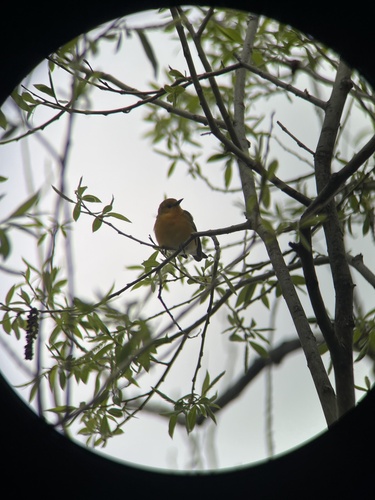
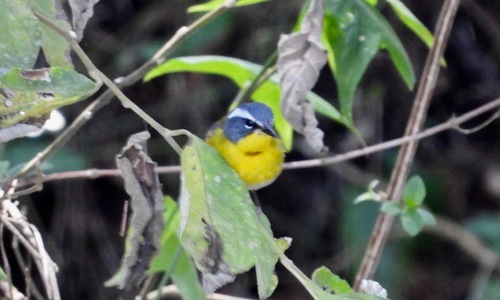
Reinita Protonotaria (Protonotaria citrea) Reinita Protonotaria
Reinita Cejuda (Oreothlypis superciliosa) Reinita Cejuda

Medios

Cargando…

En breve

La Reinita Protonotaria se distingue por su plumaje amarillo brillante, mientras que la Reinita Cejuda presenta una distintiva marca en forma de media luna en el pecho. Estas dos reinitas difieren tanto en coloración como en preferencias de hábitat, lo que las hace identificables con una observación cuidadosa.

Consejos de identificación

Busca el plumaje amarillo brillante de la Reinita Protonotaria como un identificador principal. Verifica la marca en forma de media luna en el pecho de la Reinita Cejuda para confirmar su identidad.

Plumaje

La Reinita Protonotaria tiene un cuerpo amarillo brillante, que es una característica clave de distinción. En contraste, la Reinita Cejuda se destaca por su marca en forma de media luna en el pecho, que está ausente en la Reinita Protonotaria.

Enviar una descripción mejor

Usa las mismas secciones que la comparación. El texto se publica al momento.

The Prothonotary Warbler is distinguished by its bright yellow plumage, while the Crescent-chested Warbler features a distinctive crescent-shaped chest marking. These two warblers differ in both coloration and habitat preferences, making them identifiable with careful observation.

Look for the bright yellow plumage of the Prothonotary Warbler as a primary identifier. Check for the crescent-shaped chest marking on the Crescent-chested Warbler to confirm its identity.

The Prothonotary Warbler has a bright yellow body, which is a key distinguishing feature. In contrast, the Crescent-chested Warbler is noted for its crescent-shaped marking on the chest, which is absent in the Prothonotary Warbler.

¿Descartar los cambios?

Tienes ediciones sin guardar. Si sales ahora, se perderán.

Reinita Protonotaria · Reinita Cejuda · Mis aves difíciles