Birdr

Prothonotary Warbler vs Crescent-chested Warbler

Protonotaria citrea versus Oreothlypis superciliosa

Play a quiz with Prothonotary Warbler and Crescent-chested Warbler
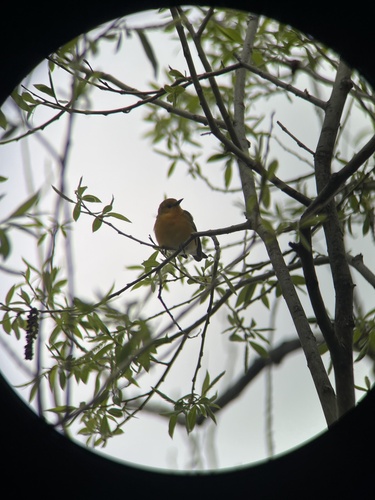
Prothonotary Warbler (Protonotaria citrea) Prothonotary Warbler
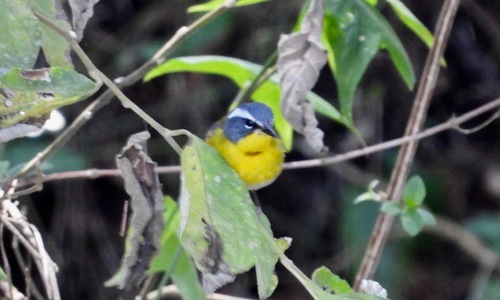
Crescent-chested Warbler (Oreothlypis superciliosa) Crescent-chested Warbler

Media

Loading…

In short

The Prothonotary Warbler and Crescent-chested Warbler can be distinguished by their distinct plumage and habitat preferences. The Prothonotary Warbler is known for its bright yellow body and bluish-gray wings, while the Crescent-chested Warbler features a more subdued yellow with a distinctive crescent-shaped chest marking. Habitat is also a key differentiator, with the Prothonotary Warbler favoring wet forests and the Crescent-chested Warbler typically found in montane forests.

Identification tips

1. Plumage: Look for the bright yellow body and bluish-gray wings of the Prothonotary Warbler versus the yellow body with a crescent-shaped chest marking in the Crescent-chested Warbler. 2. Habitat: Note the wet forest habitat of the Prothonotary Warbler compared to the montane forest preference of the Crescent-chested Warbler. 3. Behavior: Observe nesting behavior; Prothonotary Warblers nest in tree cavities. 4. Vocalization: Listen for the Prothonotary Warbler's loud, ringing song.

Size

Both species are small warblers, but the Prothonotary Warbler is slightly larger and more robust.

Plumage

The Prothonotary Warbler has a bright yellow body with bluish-gray wings and tail, lacking any distinct chest markings. In contrast, the Crescent-chested Warbler has a yellow body with a notable crescent-shaped chest marking and olive-green upperparts.

Behaviour

Both species are active foragers, but the Prothonotary Warbler often nests in tree cavities, which is unique among eastern wood-warblers.

Habitat

Prothonotary Warblers are found in wet forests, particularly bottomland hardwood forests in the southeastern U.S., while Crescent-chested Warblers inhabit montane forests in Central America.

Voice

The Prothonotary Warbler's song is a series of loud, ringing notes, while the Crescent-chested Warbler's vocalizations are less documented but generally consist of softer, more complex warbles.

Submit a better description

Use the same sections as the comparison. Your text is published immediately.

The Prothonotary Warbler and Crescent-chested Warbler can be distinguished by their distinct plumage and habitat preferences. The Prothonotary Warbler is known for its bright yellow body and bluish-gray wings, while the Crescent-chested Warbler features a more subdued yellow with a distinctive crescent-shaped chest marking. Habitat is also a key differentiator, with the Prothonotary Warbler favoring wet forests and the Crescent-chested Warbler typically found in montane forests.

1. Plumage: Look for the bright yellow body and bluish-gray wings of the Prothonotary Warbler versus the yellow body with a crescent-shaped chest marking in the Crescent-chested Warbler. 2. Habitat: Note the wet forest habitat of the Prothonotary Warbler compared to the montane forest preference of the Crescent-chested Warbler. 3. Behavior: Observe nesting behavior; Prothonotary Warblers nest in tree cavities. 4. Vocalization: Listen for the Prothonotary Warbler's loud, ringing song.

Both species are small warblers, but the Prothonotary Warbler is slightly larger and more robust.

The Prothonotary Warbler has a bright yellow body with bluish-gray wings and tail, lacking any distinct chest markings. In contrast, the Crescent-chested Warbler has a yellow body with a notable crescent-shaped chest marking and olive-green upperparts.

Both species are active foragers, but the Prothonotary Warbler often nests in tree cavities, which is unique among eastern wood-warblers.

Prothonotary Warblers are found in wet forests, particularly bottomland hardwood forests in the southeastern U.S., while Crescent-chested Warblers inhabit montane forests in Central America.

The Prothonotary Warbler's song is a series of loud, ringing notes, while the Crescent-chested Warbler's vocalizations are less documented but generally consist of softer, more complex warbles.

Discard your changes?

You have unsaved edits. If you leave now, those changes will be lost.

Prothonotary Warbler · Crescent-chested Warbler · My Tricky Birds