
Trepador Enano vs Cucarachero Culibarrado
Sitta pygmaea frente a Cistothorus stellaris
Juega un quiz con Trepador Enano y Cucarachero Culibarrado
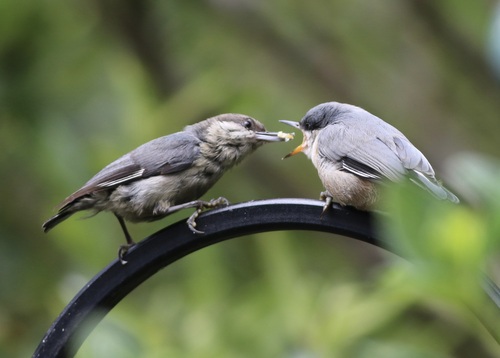 Trepador Enano
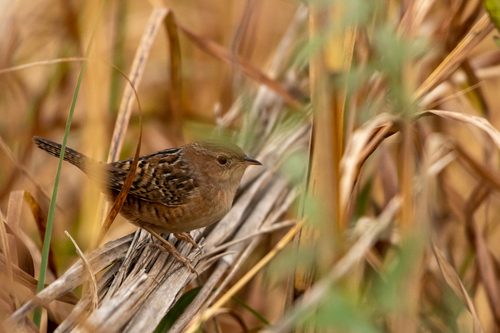 Cucarachero Culibarrado
En breve
El Trepador Enano y el Cucarachero Culibarrado son distintos tanto en hábitat como en comportamiento. El Trepador Enano es un ave social que anida en cavidades de bosques de pinos, mientras que el Cucarachero Culibarrado es una especie nómada que se encuentra en áreas húmedas y herbáceas. Estas diferencias son clave para la identificación.
Consejos de identificación
- Hábitat: Busca Trepadores Enanos en bosques de pinos y Cucaracheros Culibarrados en áreas húmedas y herbáceas.
- Comportamiento: Observa el movimiento social y frenético de los Trepadores Enanos, en contraste con el Cucarachero Culibarrado, que es más solitario.
- Movimiento Estacional: Nota el patrón de reproducción nómada del Cucarachero Culibarrado, que puede ayudar a distinguirlo del más estacionario Trepador Enano.
Comportamiento
Los Trepadores Enanos son altamente sociales y a menudo se ven en grupos, mostrando movimientos frenéticos hacia arriba y hacia abajo en los árboles. En contraste, los Cucaracheros Culibarrados son más solitarios y son conocidos por su comportamiento de reproducción nómada.
Hábitat
Los Trepadores Enanos se encuentran en bosques de pinos de agujas largas, particularmente en pinos ponderosa maduros, mientras que los Cucaracheros Culibarrados habitan áreas húmedas y herbáceas que son susceptibles a secarse o inundarse.
Trepador Enano · Cucarachero Culibarrado · Mis aves difíciles