
Correlimos Gordo vs Azulejo Oriental
Calidris canutus frente a Sialia sialis
Juega un quiz con Correlimos Gordo y Azulejo Oriental
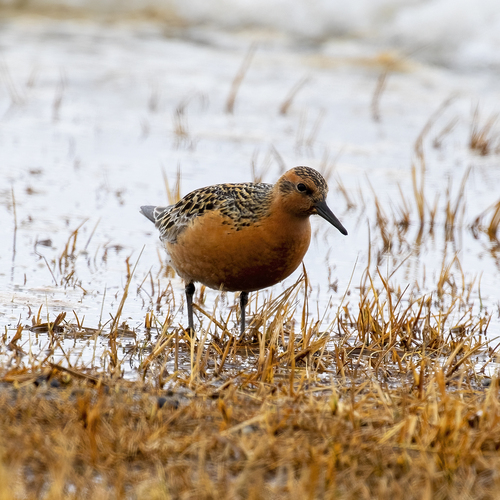 Correlimos Gordo
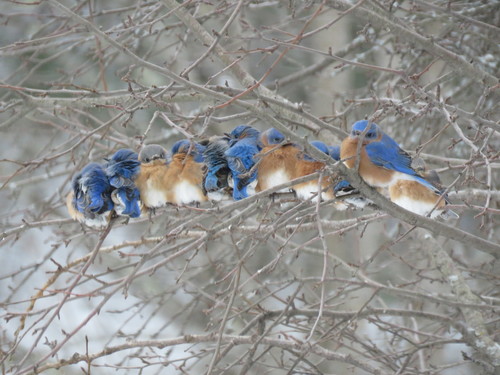 Azulejo Oriental
En breve
El Correlimos Gordo y el Azulejo Oriental se distinguen fácilmente por su plumaje y preferencias de hábitat. Los Correlimos Gordos son aves playeras con un plumaje invernal gris y blanco apagado, mientras que los Azulejos Orientales son pequeños pájaros cantores coloridos con un dimorfismo sexual distintivo. Los Correlimos Gordos se encuentran a menudo en áreas costeras durante la migración, mientras que los Azulejos Orientales se ven típicamente en hábitats abiertos, modificados por humanos.
Consejos de identificación
Plumaje: Busca el plumaje gris y blanco invernal del Correlimos Gordo en comparación con la coloración azul brillante y rojo oxidado del Azulejo Oriental. Hábitat: Nota la presencia costera de los Correlimos Gordos en comparación con los entornos abiertos, a menudo modificados por humanos, que prefieren los Azulejos Orientales.
Plumaje
Los Correlimos Gordos en invierno tienen un lado dorsal gris apagado y un lado ventral blanco con pocas marcas distintivas. Los Azulejos Orientales exhiben dimorfismo sexual, con los machos teniendo partes superiores azul brillante y partes inferiores rojo oxidado, mientras que las hembras son de color más sutil.
Comportamiento
Los Correlimos Gordos son conocidos por sus migraciones de larga distancia y a menudo se ven en bandadas a lo largo de las costas. Los Azulejos Orientales cazan insectos desde posaderos y a menudo se observan cerca de sitios de anidación artificiales.
Hábitat
Los Correlimos Gordos se encuentran típicamente en ambientes marinos durante la migración, mientras que los Azulejos Orientales prefieren hábitats abiertos, a menudo perturbados, como campos y huertos, frecuentemente cerca de la habitabilidad humana.