
Colimbo Chico vs Colimbo de Adams
Gavia stellata frente a Gavia adamsii
Juega un quiz con Colimbo Chico y Colimbo de Adams
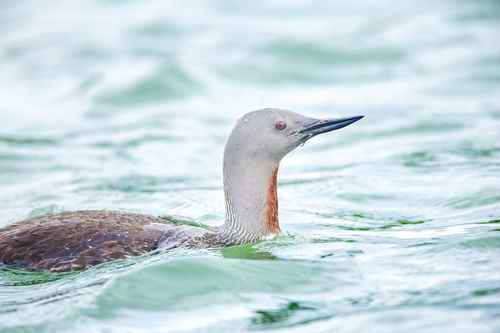 Colimbo Chico
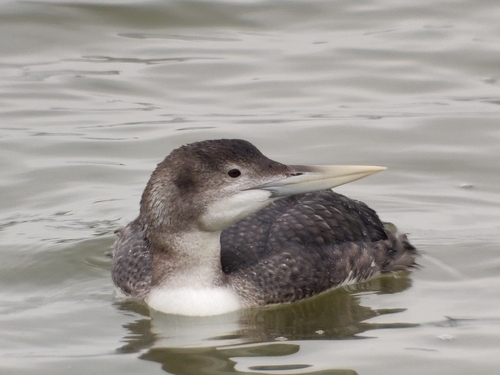 Colimbo de Adams
En breve
El Colimbo Chico se distingue por su tamaño más pequeño y su plumaje gris relativamente sencillo con una distintiva mancha roja en la garganta, mientras que el Colimbo de Adams es más grande y tiene un pico amarillo prominente. Ambas especies crían en regiones del norte, pero difieren en sus comportamientos de forrajeo y territorialidad.
Consejos de identificación
Revisa el pico: El Colimbo Chico tiene un pico más pequeño y menos prominente en comparación con el pico amarillo del Colimbo de Adams. Busca la mancha roja en la garganta: Esta es una característica clave del Colimbo Chico durante la temporada de cría. Observa el tamaño: El Colimbo Chico es notablemente más pequeño.
Tamaño
El Colimbo Chico es el miembro más pequeño de la familia Gaviidae, mientras que el Colimbo de Adams es más grande.
Plumaje
El Colimbo Chico tiene un plumaje gris relativamente sencillo con una mancha roja en la garganta durante la temporada de cría. El Colimbo de Adams, en contraste, tiene una apariencia más robusta con un pico amarillo prominente.
Comportamiento
El Colimbo Chico es un forrajero de lugar central, volando entre áreas de cría y forrajeo, y no se alimenta dentro de su lago de cría. El Colimbo de Adams es fuertemente territorial, defendiendo su lago y forrajeando en aguas cercanas.
Hábitat
Ambas especies crían en regiones del norte, pero el Colimbo Chico a menudo utiliza pequeños lagos árticos y boreales, mientras que el Colimbo de Adams ocupa lagos y ríos de corriente lenta en regiones de tundra baja.
Voz
El canto del Colimbo Chico durante la cría se describe como cacofónico, mientras que no se proporcionan detalles específicos de vocalización para el Colimbo de Adams.