
Vuelvepiedras Común vs Charrán Piquigualdo
Arenaria interpres frente a Thalasseus bergii
Juega un quiz con Vuelvepiedras Común y Charrán Piquigualdo
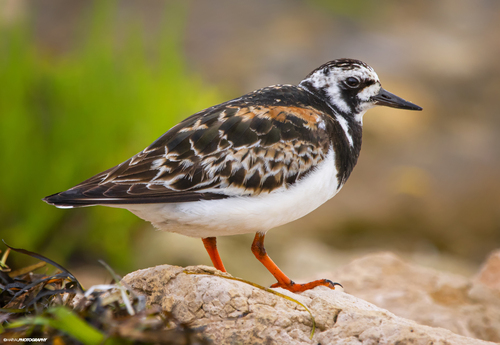 Vuelvepiedras Común
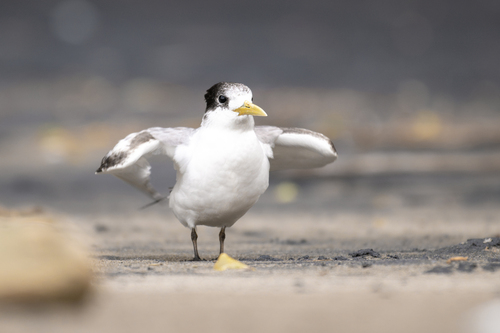 Charrán Piquigualdo
En breve
El Vuelvepiedras Común y el Charrán Piquigualdo se distinguen fácilmente por su estructura y preferencias de hábitat. El Vuelvepiedras Común es un ave playera robusta con un pico corto y curvado hacia arriba, mientras que el Charrán Piquigualdo es un gran ave marina con un pico largo y delgado y una cresta distintiva. Observar sus hábitats típicos también puede ayudar en la identificación, ya que los vuelvepiedras suelen encontrarse en costas rocosas y los charranes a menudo se ven cerca de aguas abiertas o playas de arena.
Consejos de identificación
1. Estructura: Busca la construcción robusta y el pico corto y curvado hacia arriba del Vuelvepiedras Común frente al perfil delgado y de pico largo del Charrán Piquigualdo. 2. Hábitat: Nota el entorno; los vuelvepiedras prefieren costas rocosas, mientras que los charranes se ven cerca de cuerpos de agua. 3. Plumaje: Verifica el patrón de cabeza negro y blanco del vuelvepiedras y las partes superiores rufo, contrastando con el cuerpo blanco y la cresta negra del charrán.
Tamaño
El Charrán Piquigualdo es significativamente más grande que el Vuelvepiedras Común.
Plumaje
Los Vuelvepiedras Comunes tienen un patrón distintivo negro y blanco en la cabeza y el pecho, con partes superiores rufo en plumaje de cría. Los Charranes Piquigualdos tienen un cuerpo mayormente blanco con una capucha negra y una cresta prominente.
Hábitat
Los Vuelvepiedras Comunes se encuentran típicamente en costas rocosas, mientras que los Charranes Piquigualdos están asociados con aguas abiertas y playas de arena.
Vuelvepiedras Común · Charrán Piquigualdo · Mis aves difíciles