
Voltapietre vs Great Crested Tern
Arenaria interpres contro Thalasseus bergii
Fai un quiz con Voltapietre e Great Crested Tern
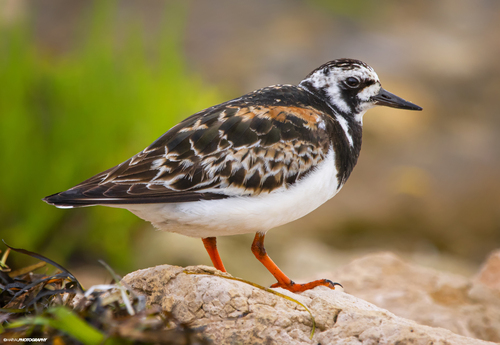 Voltapietre
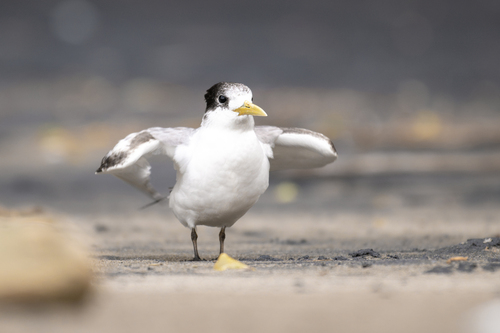 Great Crested Tern
In breve
Il Voltapietre e il Great Crested Tern sono facilmente distinguibili per la loro struttura e le preferenze di habitat. Il Voltapietre è un uccello costiero tozzo con un becco corto e rivolto verso l'alto, mentre il Great Crested Tern è un grande uccello marino con un becco lungo e sottile e una cresta distintiva. Osservare i loro habitat tipici può anche aiutare nell'identificazione, poiché i voltapietre si trovano solitamente su coste rocciose e i terns sono spesso visti vicino a acque aperte o spiagge sabbiose.
Consigli di identificazione
1. Structure: Cerca la corporatura tozza e il becco corto e rivolto verso l'alto del Voltapietre rispetto al profilo snello e dal becco lungo del Great Crested Tern. 2. Habitat: Nota l'ambiente; i voltapietre preferiscono le coste rocciose, mentre i terns sono visti vicino a corpi d'acqua. 3. Plumage: Controlla il motivo della testa del voltapietre, che è nero e bianco, e le parti superiori rugginose, in contrasto con il corpo bianco e la cresta nera del tern.
Taglia
Il Great Crested Tern è significativamente più grande del Voltapietre.
Piumaggio
I Voltapietre hanno un motivo distintivo nero e bianco sulla testa e sul petto, con parti superiori rugginose in piumaggio di riproduzione. I Great Crested Terns hanno un corpo per lo più bianco con una cuffia nera e una cresta prominente.
Habitat
I Voltapietre si trovano tipicamente su coste rocciose, mentre i Great Crested Terns sono associati a acque aperte e spiagge sabbiose.