
Arborófila Pativerde vs Arborófila Pechicastaña
Tropicoperdix chloropus frente a Tropicoperdix charltonii
Juega un quiz con Arborófila Pativerde y Arborófila Pechicastaña
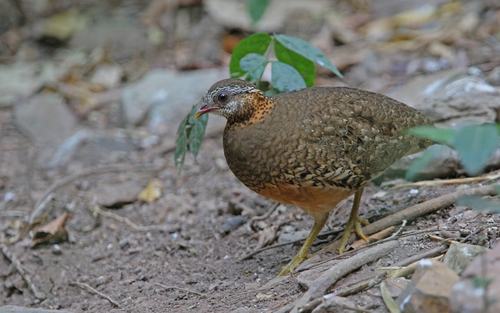 Arborófila Pativerde
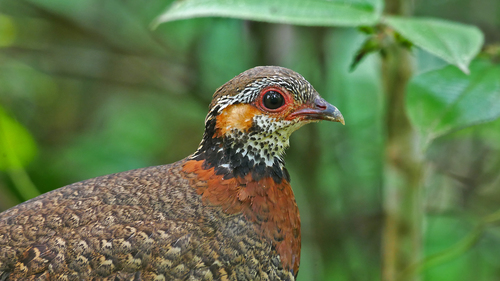 Arborófila Pechicastaña
En breve
La Arborófila Pativerde y la Arborófila Pechicastaña se pueden distinguir por su plumaje y vocalizaciones. La Arborófila Pativerde tiene una gorra marrón apagada y flancos con apariencia escamosa, mientras que la Arborófila Pechicastaña presenta un distintivo collar castaño y partes inferiores de color beige rico. Ambas especies se oyen más a menudo que se ven, siendo la Arborófila Pechicastaña conocida por sus duetos.
Consejos de identificación
1. Busca el collar castaño y las partes inferiores de color beige rico para identificar la Arborófila Pechicastaña. 2. Nota la gorra marrón apagada y los flancos con apariencia escamosa de la Arborófila Pativerde. 3. Escucha los duetos vocales de la Arborófila Pechicastaña, que pueden ayudar a diferenciarla de la Arborófila Pativerde.
Plumaje
La Arborófila Pativerde tiene una gorra marrón apagada, alas prácticamente sin marcas y flancos con apariencia ligeramente escamosa. En contraste, la Arborófila Pechicastaña se caracteriza por un patrón distintivo en la cabeza, collar castaño y partes inferiores de color beige rico.
Voz
La Arborófila Pativerde se nota típicamente por sus vocalizaciones fuertes y que se oyen a gran distancia. La Arborófila Pechicastaña también tiene vocalizaciones fuertes, a menudo emitidas en dúo, consistentes en un llamado tembloroso seguido de una respuesta corta y ladrante.
Arborófila Pativerde · Arborófila Pechicastaña · Mis aves difíciles