
Scaly-breasted Partridge vs Chestnut-necklaced Partridge
Tropicoperdix chloropus contro Tropicoperdix charltonii
Fai un quiz con Scaly-breasted Partridge e Chestnut-necklaced Partridge
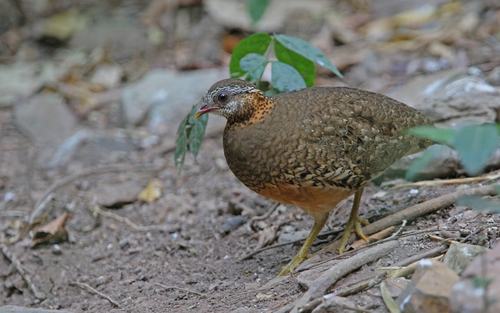 Scaly-breasted Partridge
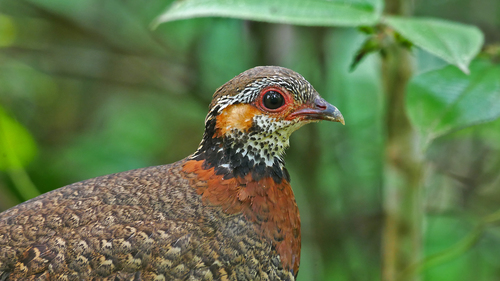 Chestnut-necklaced Partridge
In breve
La Scaly-breasted Partridge e la Chestnut-necklaced Partridge possono essere distinte dal loro piumaggio e dalle vocalizzazioni. La Scaly-breasted Partridge ha un cappello marrone opaco e fianchi dall'aspetto squamoso, mentre la Chestnut-necklaced Partridge presenta un collare castano distintivo e parti inferiori di un ricco color crema. Entrambe le specie sono più spesso udite che viste, con la Chestnut-necklaced Partridge nota per i suoi duetti.
Consigli di identificazione
1. Cerca il collare castano e le parti inferiori di un ricco color crema per identificare la Chestnut-necklaced Partridge. 2. Nota il cappello marrone opaco e i fianchi dall'aspetto squamoso per la Scaly-breasted Partridge. 3. Ascolta i duetti vocali della Chestnut-necklaced Partridge, che possono aiutare a differenziarla dalla Scaly-breasted Partridge.
Piumaggio
La Scaly-breasted Partridge ha un cappello marrone opaco, ali praticamente non marcate e fianchi leggermente dall'aspetto squamoso. Al contrario, la Chestnut-necklaced Partridge è caratterizzata da un modello di testa distintivo, collare castano e parti inferiori di un ricco color crema.
Voce
La Scaly-breasted Partridge è tipicamente nota per le sue vocalizzazioni forti e che si diffondono lontano. Anche la Chestnut-necklaced Partridge ha vocalizzazioni forti, spesso emesse in duetto, consistenti in un richiamo tremolante seguito da una breve risposta abbaiata.
Scaly-breasted Partridge · Chestnut-necklaced Partridge · I miei uccelli difficili