Birdr

Indicador Variegado vs Indicador Grande

Indicator variegatus frente a Indicator indicator

Juega un quiz con Indicador Variegado y Indicador Grande
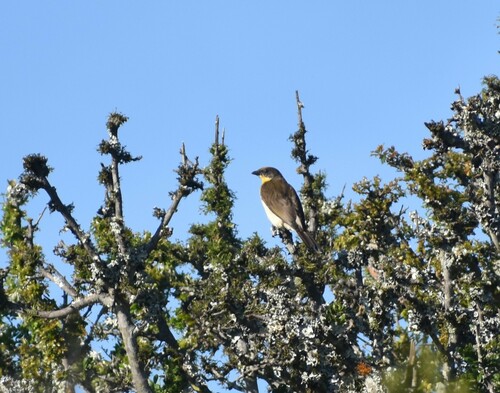
Indicador Variegado (Indicator variegatus) Indicador Variegado
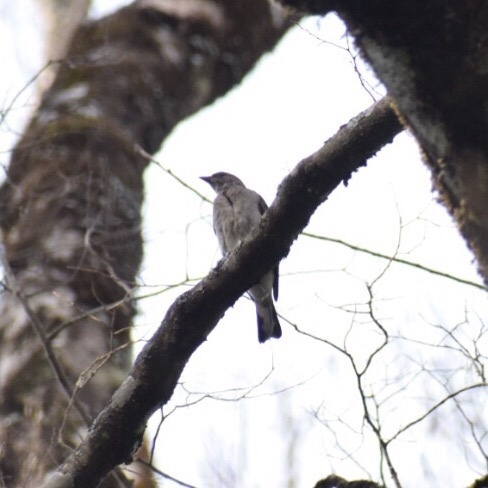
Indicador Grande (Indicator indicator) Indicador Grande

Medios

Cargando…

En breve

El tamaño y forma del pico son las marcas de campo más confiables al distinguir entre el Indicador Variegado y el Indicador Grande. El Indicador Grande tiene un pico notablemente más grande y robusto en comparación con el pico más esbelto del Indicador Variegado. Ambas especies comparten tonos de plumaje similares, lo que hace que las diferencias estructurales sean clave para la identificación.

Consejos de identificación

  1. Tamaño y forma del pico: Busca el pico más grande y robusto del Indicador Grande. 2. Tamaño y estructura: Nota el tamaño general más grande y la construcción más robusta del Indicador Grande en comparación con el más esbelto Indicador Variegado. 3. Patrón de la garganta: Con buena luz, verifica el sutil patrón escamoso en la garganta del Indicador Variegado.

Tamaño

El Indicador Grande es generalmente más grande con una construcción más robusta en comparación con el Indicador Variegado, que es más pequeño y esbelto.

Plumaje

Ambas especies tienen tonos de plumaje similares, pero el Indicador Variegado puede mostrar un patrón escamoso más distintivo en la garganta, que puede ser sutil y difícil de discernir en el campo.

Enviar una descripción mejor

Usa las mismas secciones que la comparación. El texto se publica al momento.

The bill size and shape are the most reliable field marks when distinguishing between the Scaly-throated Honeyguide and the Greater Honeyguide. The Greater Honeyguide has a noticeably larger and more robust bill compared to the more slender bill of the Scaly-throated Honeyguide. Both species share similar plumage tones, making structural differences key for identification.

  1. Bill size and shape: Look for the larger, more robust bill of the Greater Honeyguide. 2. Size and structure: Note the overall larger size and more robust build of the Greater Honeyguide compared to the more slender Scaly-throated Honeyguide. 3. Throat pattern: In good light, check for the subtle scaly pattern on the throat of the Scaly-throated Honeyguide.

The Greater Honeyguide is generally larger with a more robust build compared to the smaller and more slender Scaly-throated Honeyguide.

Both species have similar plumage tones, but the Scaly-throated Honeyguide may show a more distinct scaly pattern on the throat, which can be subtle and difficult to discern in the field.

¿Descartar los cambios?

Tienes ediciones sin guardar. Si sales ahora, se perderán.

Indicador Variegado · Indicador Grande · Mis aves difíciles