Birdr

Scaly-throated Honeyguide vs Greater Honeyguide

Indicator variegatus versus Indicator indicator

Play a quiz with Scaly-throated Honeyguide and Greater Honeyguide
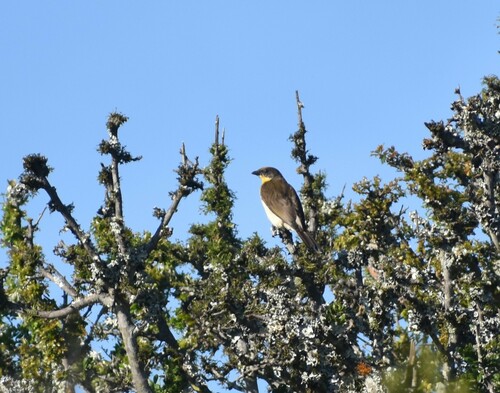
Scaly-throated Honeyguide (Indicator variegatus) Scaly-throated Honeyguide
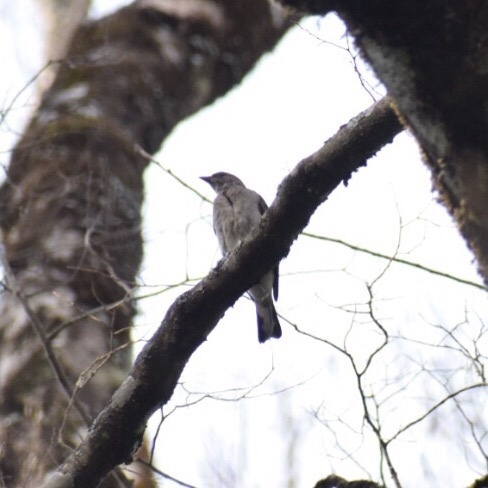
Greater Honeyguide (Indicator indicator) Greater Honeyguide

Media

Loading…

In short

The Scaly-throated Honeyguide and Greater Honeyguide are both members of the honeyguide family, but they can be distinguished by size and plumage. The Greater Honeyguide is larger and has a more pronounced white outer tail feather, while the Scaly-throated Honeyguide exhibits a distinctive scaly pattern on its throat.

Identification tips

  1. Look for the scaly pattern on the throat for the Scaly-throated Honeyguide. 2. Check the size; the Greater Honeyguide is larger. 3. Observe the tail; the Greater Honeyguide has more pronounced white outer tail feathers. 4. Listen for the Greater Honeyguide's 'tirr-tirr-tirr' call.

Size

The Greater Honeyguide is larger than the Scaly-throated Honeyguide.

Plumage

The Scaly-throated Honeyguide has a scaly pattern on its throat, which is absent in the Greater Honeyguide. The Greater Honeyguide has more prominent white outer tail feathers.

Behaviour

Both species exhibit similar behavior, often leading observers to bee nests. However, the Greater Honeyguide is more commonly known for its interaction with humans in guiding them to honey.

Habitat

Both species inhabit similar environments, often found in woodland and savanna areas. There is no significant habitat distinction between them.

Voice

The vocalizations of these species are similar, but the Greater Honeyguide is known for its distinctive 'tirr-tirr-tirr' call.

Submit a better description

Use the same sections as the comparison. Your text is published immediately.

The Scaly-throated Honeyguide and Greater Honeyguide are both members of the honeyguide family, but they can be distinguished by size and plumage. The Greater Honeyguide is larger and has a more pronounced white outer tail feather, while the Scaly-throated Honeyguide exhibits a distinctive scaly pattern on its throat.

  1. Look for the scaly pattern on the throat for the Scaly-throated Honeyguide. 2. Check the size; the Greater Honeyguide is larger. 3. Observe the tail; the Greater Honeyguide has more pronounced white outer tail feathers. 4. Listen for the Greater Honeyguide's 'tirr-tirr-tirr' call.

The Greater Honeyguide is larger than the Scaly-throated Honeyguide.

The Scaly-throated Honeyguide has a scaly pattern on its throat, which is absent in the Greater Honeyguide. The Greater Honeyguide has more prominent white outer tail feathers.

Both species exhibit similar behavior, often leading observers to bee nests. However, the Greater Honeyguide is more commonly known for its interaction with humans in guiding them to honey.

Both species inhabit similar environments, often found in woodland and savanna areas. There is no significant habitat distinction between them.

The vocalizations of these species are similar, but the Greater Honeyguide is known for its distinctive 'tirr-tirr-tirr' call.

Discard your changes?

You have unsaved edits. If you leave now, those changes will be lost.

Scaly-throated Honeyguide · Greater Honeyguide · My Tricky Birds